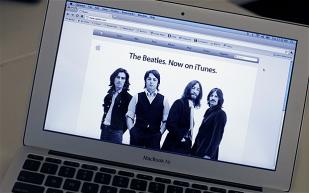
Apple iTunes Debuts The Beatles – Now They’re Among The Top Sellers
By Jeffrey Paulsen on November 18, 2010, 6:40 am Posted in Finance News
In the battle to provide digital renditions of the Beatles catalog, Apple (NasdaqGS: AAPL) has won out, and it is paying dividends already. 40 years after the iconic band broke up, they are among the top sellers on Apple’s iTunes.
Google, Amazon Competed For Rights As Well
According to industry insiders, Google (NasdaqGS: GOOG ) and Amazon (NasdaqGS: AMZN ) wanted to offer the Beatles catalog as well, but Roger Faxon, CEO of EMI records went with Apple almost without hesitation. EMI owns the original master recordings, but they still had to make a deal with Apple Corps, a company fronted by Paul McCartney, Ringo Starr, and the surviving spouses of both John Lennon and George Harrison. Although EMI has the recordings, what they could do with those recordings had to be negotiated with Apple Corps, which is not related to Apple Corp. With negotiations between Faxon, Apple Corps CEO Jeff Jones and Apple’s Steve Jobs, the deal was made, and rest is literally history.
The Beatles have had differences in the past with Apple though. They accused Apple of infringing on their trademark business name in 1978. The spat was resolved when the Beatles licensed the Apple name to Jobs and Co. They have also had issues with Apple’s logo and their music synthesizer. All have been resolved.
Beatles Climb The Charts
Within a day being made available on ITunes, all 17 Beatles albums were in the ITunes top 50. Among those, three were in the top 10; Abbey Road, The White Album and Sgt. Pepper’s Lonely Hearts Club Band. The box set containing all the albums is currently at No. 11. The most popular single song so far is “Here Comes The Sun.”
Related posts:
- Apple: Mac OS X Snow Leopard Update Released, Pending Buy-out Planned
- Apple: Mac OS X 150 Security Vulnerabilities Fixed In Latest Patch
- FTC May Be Seeking To Halt Google’s Acquisition Of AdMob
- iPad Still Winning the Tablet PC Wars
- iPad Still Winning the Tablet PC Wars
Leave a Reply
Book Mark it-> del.icio.us | Reddit | Slashdot | Digg | Facebook | Technorati | Google | StumbleUpon | Window Live | Tailrank | Furl | Netscape | Yahoo | BlinkList
Apple iTunes sees Beatles downloads rise in charts
Beatles has featured on Apple’s app store- iTunes. This move has surely affected music’s digital grounds and at the same time it speaks of the best music featuring in Apple.
Experts claim that in terms of digital music, Beatles were the holy grail, a band which although broke, but managed to sell the highest number of recordings in the music industry.
As the deal was publicized yesterday Australian time, the Beatles’ music began to feature as one of the best sellers in the world.
Indeed, the iTunes charts offer music fans an instant, virtual census on just what the most popular Beatles tracks and albums are present.
In case of Australia, for example, Sgt Pepper’s Lonely Hearts Club is presently the infamous Fab Four album, followed by Abbey Road. And follows the infamous songs like- Let It Be, Here Comes The Sun, Twist and Shout and Hey Jude, in that array.
In case of US, Abbey Road and The White Album are the two of the most selling LPs, with Here Comes The Sun, Let It Be and In My Life the most popular downloaded tracks.
UK music enthusiasts have also released the 31 Beatles tracks into their iTunes Top 200, and presently the most downloaded songs are Hey Jude, Twist and Shout and Blackbird.
The prices vary in all three regions. For example in case of Australia, The White Album is priced at $35.99, however in the US it’s just $19.99. Similarly, Abbey Road costs $12.99 in the US and $20.99 in Australia.
Book Mark it-> del.icio.us | Reddit | Slashdot | Digg | Facebook | Technorati | Google | StumbleUpon | Window Live | Tailrank | Furl | Netscape | Yahoo | BlinkList
The famed bands absence from Apples music service was long considered a glaring omission. Apple Corps, which publishes the Beatles work, had long resisted delivering the Fab Fours work in an online format, preferring a series of CD releases over the past decade. I’m sorry, were you expecting congratulations here? Perhaps the most “unforgettable” element from today’s Beatles-available-on-iTunes announcement was the eyerolling on Wall Street: Apple’s share price was down five points at press time. Nearly a decade after Apple Inc. introduced iTunes, the digital downloading service finally has landed the Beatles. ITunes on Tuesday rolled out the Fab Four’s music for legal downloading for the first time, offering 17 albums encompassing all 13 of the group’s original studio albums, the double “Past Masters” collection of nonalbum tracks, two hits compilations and a box set including everything except the hits collections. On Tuesday, Apple Inc. said its iTunes store will start selling downloads of songs and albums from the group, in an agreement with the Beatles’ recording label, EMI Group Ltd., and its management company, Apple Corps Ltd. Apple’s news release only cites that concert film as an exclusive. “The fact is, this would have been a big deal three years ago,” says James McQuivey, an analyst at Forrester Research . But the Fab Four’s work doesn’t show up on Amazon’s MP3 store , Apple’s main rival in the digital-download business. “Abbey Road,” the group’s 1969 studio album, quickly jumped into iTunes’ ranking of the top 10 hottest-selling albums Tuesday.
The first settlement came in 1981, when Apple Computer paid Apple Corps millions to keep its name, with the promise it would stay away from the music business.
Grooveshark used to offer Beatles songs until they began disappearing from the site through a simple search for “Beatles.” However some forum members have found that unique search terms, like “Beattles,” still draws a few results. We love the Beatles, and it has been painful being at odds with them over these trademarks, Steve Jobs wrote in a February 2007 press release .
Apple has a 75% market share of the digital music market, McQuivey says. Just a year and a half ago, Apple banished DRM entirely from the iTunes Store’s music inventory. “iTunes and Apple Corps missed the revenue stream a long time ago. The songs have been available on numerous torrent sites for years.” What kept the Beatles’ catalog off iTunes for so long was a complicated web of legal entanglements. Tuesday, the Beatles finally ran out of excuses for not letting downloaders give them their money. Is there anybody left online who doesn’t already have all the Beatles MP3s they want? Several of those artists have cited their opposition to iTunes’ breaking up albums into individually downloadable tracks. Those years of legal action doubtlessly made the attorneys rich, but it may have slowed the Beatles arrival on iTunes. Apple is making the bands albums available for $12.99 each, with songs priced at $1.29, in addition to a $149 Beatles Box Set with the albums, mini-documentaries and other materials.
Book Mark it-> del.icio.us | Reddit | Slashdot | Digg | Facebook | Technorati | Google | StumbleUpon | Window Live | Tailrank | Furl | Netscape | Yahoo | BlinkList
Nearly a decade after Apple Inc. introduced iTunes, the digital downloading service finally has landed the Beatles. ITunes on Tuesday rolled out the Fab Four’s music for legal downloading for the first time, offering 17 albums encompassing all 13 of the group’s original studio albums, the double “Past Masters” collection of nonalbum tracks, two hits compilations and a box set including everything except the hits collections. It has finally happened, but it wasn’t easy. Beatles songs are finally available in Apple’s iTunes store. But while the Fab Four might be the most notable iTunes holdout, they certainly aren’t the last. In the past, he’s stated he believes iTunes is “killing” music, and says he won’t give in until Apple offers variable pricing and will allow more album-only downloads. A dwindling number of artists are still resistant to joining Apple’s music download service.
Searches on iTunes for AC/DC, Kid Rock, Tool, Garth Brooks, and Def Leppard will return disappointing results: karaoke and cover tracks, not material from the artists themselves. AC/DC and Apple have an ideological agreement; the Australian band protests Apple’s policy that offers albums piecemeal. It marks the first time that Beatles songs have been available for digital-download sales. Finally, a digital destination to discover and consume the biggest group of all time.” Does it matter that Beatles are on iTunes?
How did the two sides get it right? That interminably long and inexplicably winding road has come to an end – long after fans who wanted the Fab Four’s songs already had them. “iTunes and Apple Corps missed the revenue stream a long time ago. After that it was very easy to cut a deal.” They code-named the initiative “Bastille,” as it coincided with Bastille Day. “They truly think that they’re saving music,” the singer said in a 2009 USA Today report . And I’m sure they’re just doing it all in the interest of making as much…cash as possible. Somebody buys “Revolver” on disc and passes it around. Mr. Faxon had previously served for many years as a senior executive at EMI’s music-publishing division, where he won a reputation as a low-key but effective executive, in an industry filled with outsized egos. Let’s put it this way, it’s certainly not for the…love, let’s get that out of the way, right away.” AC/DC’s most recent album was purposely kept out of Apple’s music stores. (Credit: Last. Until we get variable pricing, until we get album-only downloads, then they are not a true retailer for my stuff, and you won’t see my stuff on there.” Multiple sources said that with meandering anthems that overlap into one another, ambient rock band Tool has the same misgivings about iTunes. Professor Mnookin noted that he often tells his students, “Before you go into any negotiation, any party should ask, what are my interests, what do I care about, and what are my alternatives if I don’t make this deal?” It is not immediately obvious that the Beatles-iTunes agreement had to happen now.
Book Mark it-> del.icio.us | Reddit | Slashdot | Digg | Facebook | Technorati | Google | StumbleUpon | Window Live | Tailrank | Furl | Netscape | Yahoo | BlinkList
Kid Rock and Bob Seger have also refused to cave in, like holed-up gunfighters. The Beatles have partnered with Apple Inc.’s iTunes service, ending the most prominent holdout and finally bringing one of music’s most popular catalogs to the online store. As long as the Beatles and Apple have co-existed, fans of both have wondered: when are these crazy kids finally going to get together? But the iTunes generation, comprised of those kids you bump into on the subway or the sidewalk, the ones who bounce their heads gently to a beat so as not to dislodge their earbuds, had been denied. If they wanted to hear “Dear Prudence” or “Lovely Rita,” they’d have to do so the old-fashioned way: file sharing. Searches on iTunes for AC/DC, Kid Rock, Tool, Garth Brooks, and Def Leppard will return disappointing results: karaoke and cover tracks, not material from the artists themselves. And now, 32 years later, the two are ready to do business , with Apple selling Beatles singles and albums on iTunes. That interminably long and inexplicably winding road has come to an end. AC/DC and Apple have an ideological agreement; the Australian band protests Apple’s policy that offers albums piecemeal. “My hat’s off to them. Formed about 50 years ago, the Beatles have remained a top-seller, with customers buying more than 30 million albums in the last decade, according to Nielsen SoundScan.
Finally, a digital destination to discover and consume the biggest group of all time.” ‘Dancing’ semifinals prove semi-predictable Jennifer Grey’s still leading the pack, Bristol Palin is still dead last and Brooke Burke still has nothing new to add to the show. Apple last year began selling songs for 69 cents and $1.29 aside from the normal 99 cents, though album-only downloads are still discouraged. And where did they go wrong? In 2007, the company and Apple Corps Ltd., the entity that handles the Fab Four’s business affairs, settled a trademark dispute about the apple name and logo. “They truly think that they’re saving music,” the singer said in a 2009 USA Today report . Single albums cost $12.99 and double albums are priced at $19.99, Apple said.
Until we get variable pricing, until we get album-only downloads, then they are not a true retailer for my stuff, and you won’t see my stuff on there.” Multiple sources said that with meandering anthems that overlap into one another, ambient rock band Tool has the same misgivings about iTunes.
Kid Rock, whose new album “Born Free” was released Tuesday, has said he’s resistant to the pack mentality and is suspicious of anyone who tells him that he “must” be on iTunes. Yet marketing is all about drawing consumers closer to the product. You can download his full albums only from Amazon.com and the Rhapsody MP3 store. “Because I remember being a kid when I heard a song that I liked, I would jump on the bus, ride to Detroit, get a $2.50 transfer and walk a mile to the hip-hop store to buy the new Eric B. & Rakim record. That age group grew up with iPods, and they don’t go to stores to buy CDs. In 2007, Kid Rock’s sixth album “Rock ‘n’ Roll Jesus,” debuted at number one on the Billboard top 200 chart, despite its absence from iTunes.
Tool: Another group that doesn’t want its songs sold off piecemeal, the L.A.-based prog rock band has kept its music from the clutches of Apple’s online empire. EMI is in dire financial straits and trying to fend off Citigroup, to whom it owes a considerable amount money. So the Beatles on iTunes is a good move for turning on the next generation to the Beatles’ music.” Will other holdouts follow suit? Prince’s music is available from the online retailer, but he dismissed iTunes and the Internet altogether earlier this year. “The Internet’s completely over,” Prince told the Daily Mirror.
Book Mark it-> del.icio.us | Reddit | Slashdot | Digg | Facebook | Technorati | Google | StumbleUpon | Window Live | Tailrank | Furl | Netscape | Yahoo | BlinkList
The Beatles have come to iTunes. After a decades long back and forth between Apple (the computer company) and Apple Corps. (The Beatles’ multimedia company), the two appear to have come to an agreement. The music of The Beatles went on sale in the iTunes store Tuesday morning, FoxNews.com has confirmed. The page selling the Fab Four’s tunes went live about 20 minutes before the official announcement at 10 a.m.
Purchasing the entire Beatles back catalogue will cost £125. “We love the Beatles and are honored and thrilled to welcome them to iTunes,? said Apple CEO Steve Jobs in a statement. If you are one of the rare people who is both a huge fan of the group, but somehow doesn’t actually own the music, you can buy the entire back-catalog at once for $150. “We’re really excited to bring the Beatles’ music to iTunes,” said Sir Paul McCartney. The Beatles have been notable absentees from the digital music revolution, and it was initially thought that a trademark dispute between Apple Inc, the technology company, and Apple Corps, the Beatles’ label, could be to blame, though that legal wrangle was settled in 2007. Each album comes with iTunes LP, which features additional content including lyrics, photos, and album art. The update came in advance of what Apple had promised would be a 10 a.m. “It’s a symbolic milestone.” While the Beatles music has been available for four decades on vinyl, cassette, 8-track and CD, its migration to iTunes makes it more easily available to those who don’t own the songs in those other formats. Even if you don’t want to buy the White Album yet again, you should head over and spend the morning checking out the freebies. Until now, to listen to Beatles songs on iPods, a fan needed to obtain a CD and “rip” a digital version of it or find someone who already has done so. Also available are the two-volume “Past Masters” compilation and the group’s “Red” and “Blue” collections. There are enough videos to keep you distracted from work for a chunk of the day, including TV ads, a documentary of The Beatles first U.S concert at the Washington Coliseum in 1964, and a great highlight reel. Fans can also purchase individual songs and a digital box set featuring live concert film an iTunes exclusive, according to the release.
The length of that deal is unknown. Such a service would allow users to stream content over a network onto various devices, but analysts said Apple still needs to line up agreements with music labels, whom the company has repeatedly clashed with the over the years. That being the case, the past few years had seen rumor after rumor that the Beatles were finally going to arrive on iTunes. “It has been a long and winding road to get here.
“Have you ever downloaded something you were pretty sure you had somewhere else? “I am particularly glad to no longer be asked when the Beatles are coming to iTunes,” said Ringo Starr.
Book Mark it-> del.icio.us | Reddit | Slashdot | Digg | Facebook | Technorati | Google | StumbleUpon | Window Live | Tailrank | Furl | Netscape | Yahoo | BlinkList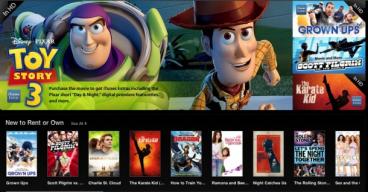
Apple Premieres Movies on the iTunes Store in Japan
TOKYO—November 11, 2010—Apple® today announced that movies are now available on the iTunes Store® in Japan giving customers an incredible way to enjoy movies on their iPhone®, iPad™, iPod touch®, Mac® or PC, or with the new Apple TV® on their HD TV. Starting today, there are over 1,000 movies to rent or buy in high definition and standard definition from major international film studios including 20th Century Fox, Paramount Pictures, The Walt Disney Studios, Warner Bros. Pictures, Universal Pictures and top Japanese studios including Asmik Ace Entertainment Inc., Fuji TV, Kadakowa Pictures, Nikkatsu, Shochiku Company Limited and Toei Company Limited.
With iTunes’ legendary ease of use, discovering and watching movies is as simple and easy as buying music on iTunes® has always been. Movie fans can choose from many top-rated movies in Japan, including Hollywood blockbusters such as “Toy Story 3” and “Sex and the City 2,” as well as Japanese favorites including “Ototo,” “Gekijôban Kamen Raidâ Dikeido: Ôru Raidâ tai Daishokkâ” and “Odoru Daisousasen THE MOVIE 2.”
With iTunes Movie Rentals, once a movie is rented, it starts downloading from the iTunes Store directly to iTunes or Apple TV, and users with a fast Internet connection can start viewing the movie in seconds. Customers have up to 30 days to start watching their movie, and once a movie has been started customers have 48 hours to finish it—or watch it multiple times. In addition to renting movies on the iTunes Store, many movies are available to purchase in HD and SD.
The new Apple TV started shipping in Japan this week and offers the simplest way to watch HD movies on an HD TV and users can also enjoy millions of YouTube videos, more than 200,000 podcasts, 4,000 Internet radio stations and personal photos from MobileMe? and Flickr, while music, videos and photos can be streamed from Macs and PCs. Users can control Apple TV with their iPhone, iPad or iPod touch using the Remote app, available now as a free download on the App Store?, or with the upcoming availability of AirPlay® users will be able to stream music, photos and video from their iPhone, iPad and iPod touch directly to Apple TV.
Pricing & Availability
iTunes 10 for Mac and Windows includes the iTunes Store and is available as a free download from www.apple.com/jp/itunes. iTunes movie purchases and rentals require a valid credit card with a billing address in Japan. iTunes HD movie purchases in Japan start at ¥2,000 for catalog titles and recent releases and ¥2,500 for new releases, and SD versions are priced at ¥1,000 for catalog titles, ¥1,500 for recent releases and ¥2,000 for new releases. iTunes HD Movie Rentals start at ¥300 for library title rentals and ¥500 for new releases, and SD versions start at ¥200 for library title rentals and ¥400 for new releases. Apple TV, which comes standard with an aluminum Apple Remote, is available through the Apple Store® (www.apple.com), Apple’s retail stores and Apple Authorized Resellers for a suggested retail price of ¥8,800. Apple TV requires an 802.11b/g/n wireless network or Ethernet network, a broadband Internet connection and a high definition TV capable of 720p.
Apple designs Macs, the best personal computers in the world, along with OS X, iLife, iWork, and professional software. Apple leads the digital music revolution with its iPods and iTunes online store. Apple is reinventing the mobile phone with its revolutionary iPhone and App Store, and has recently introduced its magical iPad which is defining the future of mobile media and computing devices.
Press Contacts:
Takashi Takebayashi
Apple
[email protected]
+81 3 5334 2430
Nao Yanagisawa
Apple
[email protected]
+81 3 5334 2430
NOTE TO EDITORS: For additional information visit Apple?s PR website, or call Apple’s Media Helpline at (408) 974-2042.
Apple, the Apple logo, Mac, Mac OS, Macintosh, iTunes Store, iPhone, iPad, iPod touch, Apple TV, iTunes, MobileMe, App Store, AirPlay and Apple Store are trademarks of Apple. Other company and product names may be trademarks of their respective owners.
Book Mark it-> del.icio.us | Reddit | Slashdot | Digg | Facebook | Technorati | Google | StumbleUpon | Window Live | Tailrank | Furl | Netscape | Yahoo | BlinkList
Apple’s tough iTunes note meant for indie labels
Apple’s letter to music labels about the company’s adoption of 90-second song samples sounded brash and uncompromising, reminiscent of how the company once seemed to negotiate with the music industry.
Rick Carnes, president of the Songwriters Guild of America, said he’s in favor of longer samples. He just thinks artists should be compensated for them.
(Credit: Rick Carnes)
Apple wrote in e-mails to an undisclosed number of music industry executives–made public on Tuesday–that it would soon offer longer samples for songs that are at least two-and-a-half minutes in length. For shorter songs, iTunes would continue to offer 30-second previews, the company wrote. CNET broke the news in August that Apple planned to offer longer samples.
What raised eyebrows about Apple’s note was that it appeared that the company was offering an ultimatum to the entire record industry. But the largest stakeholders, the four top labels–Universal Music Group, Sony Music Entertainment, Warner Music Group, and EMI Music–signed off on Apple’s plan to boost the length of iTunes’ song previews from 30 seconds to 90 seconds in August, according to multiple music industry sources. Apple has also penned individual deals with some of the top publishing companies.
Instead of the big guys, Apple’s notice appears to be directed at the scores of independent record labels, industry insiders said.
Apple stated in the letter that it would roll out longer samples soon at iTunes and that anybody who left their music up at the Web store was automatically agreeing to give Apple the right to offer the longer song samples “gratis,” or for free. The message is pretty clear: accept the longer previews for longer songs, or pull them off iTunes. An Apple representative confirmed that the note was sent but declined to comment for this story.
Managers at some of the bigger indie labels were reluctant to comment today, saying they hadn’t seen Apple’s letter or hadn’t had time to analyze it. Two did acknowledge that it seemed that Apple was playing hardball.
There’s a reason for the tough approach. Apple is in a hurry to get the deals done so it can offer the longer samples for holiday shopping. Time is running out. Apple CEO Steve Jobs was expected to announce the longer samples at a press event on September 1, music industry sources told CNET. Before that could happen, the National Music Publishers Association notified the company that it would need to negotiate a deal with the publishers before going ahead with its plans.
Sources said the NMPA is still in negotiations with Apple, as is Broadcast Music Inc.. (BMI), a group that collects royalties on behalf of songwriters and publishers. Hanna Pantle, a BMI spokeswoman, told CNET today, “We are in active and positive negotiations with Apple for the performance right of our repertoire.”
At a time when many iTunes users favor YouTube to sample and discover music, a longer sample seems like a no-brainer. In its note, Apple said, “We believe that giving potential customers more time to listen to your music will lead to more purchases.”
But some in the music industry have grumbled in the past that Apple should compensate rights owners for the previews.
“It’s like giving away ice cream samples–someone has to pay the cost,” said Rick Carnes, president of the Songwriters Guild of America. “I think it would be a good thing for consumers to go to 90 seconds. But they’re tripling the amount of time, and they want it for free. I think there ought to be compensation. I believe anytime you use music, you ought to reward the people making the music.”
Book Mark it-> del.icio.us | Reddit | Slashdot | Digg | Facebook | Technorati | Google | StumbleUpon | Window Live | Tailrank | Furl | Netscape | Yahoo | BlinkList
Apple to Increase iTunes Song Samples From 30 to 90 Seconds
San Francisco – Apple (NASD: AAPL) will soon extend the length of streaming song samples available on iTunes from 30 seconds to 90 seconds, CNET News.com reported, citing a post on the blog of digital music distributor Symphonic Distribution. The longer samples will apply to songs greater than 2.5 minutes in length.
Apple has reportedly been in talks with performing rights organization BMI and other groups on new licenses covering longer samples.
“Some of the discussions with rights holders may still be ongoing, according to music industry sources,” CNET reports.
“But Apple apparently feels they are close enough to a final deal to inform their partners at the labels.”
Related Links:
http://news.cnet.com/8301-13579_3-20021578-37.html
http://symintranet.com/blog/?p=3273
Book Mark it-> del.icio.us | Reddit | Slashdot | Digg | Facebook | Technorati | Google | StumbleUpon | Window Live | Tailrank | Furl | Netscape | Yahoo | BlinkList
Apple Releases Remote 2.0 for IPhone and IPad
On the heels of shipping its new Apple TV, Apple has released a major upgrade to Remote, its iPhone app for controlling iTunes and Apple TV.
Remote 2.0 brings a handful of big features, not the least of which is a long-awaited interface designed for the iPad. Using the iPad’s large amount of screen real estate, Remote can offer an interface for controlling media over one’s home network that looks much like the tablet’s iPod app, complete with music album and video thumbnails and a complete list of your playlists. It also features a gestures tab for controlling an Apple TV with iOS-like flick and drag motions.
The new app also supports Home Sharing, an easier method for sharing and streaming your media that Apple introduced in iTunes 9. If you enable Home Sharing in Remote 2.0 on your iPhone or iPad, it will automatically discover and let you control shared libraries on your network from a Mac or PC running iTunes, or a new Apple TV.
Remote 2.0 also gained high-res graphics for the iPhone 4′s Retina display, multitasking support under iOS 4, support for iTunes 10 (including a new icon similar to iTunes 10′s), and a round of bug fixes. It is available now for free in the App Store and requires an iPhone or iPad running iOS 3.1.2 or later.
Book Mark it-> del.icio.us | Reddit | Slashdot | Digg | Facebook | Technorati | Google | StumbleUpon | Window Live | Tailrank | Furl | Netscape | Yahoo | BlinkList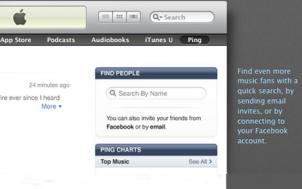
Apple iTunes 10
Apple’s iTunes, the default music player for over 160 million people worldwide, continues to expand with new features that give it a leg up over the competition. iTunes 10 adds Apple TV integration, 99-cent TV show rentals, Apple Airplay support, better app management, and a few cosmetic changes. The real meat of this update, however, is Ping, a Facebook-like music-oriented social network that lives inside the media player software. Whether you want another social network or not, iTunes is still the media organizer to beat.
iTunes is jammed full of extra features?far too many to detail in this review. Genius playlists and Genius mixes are a great example of this. They automatically create playlists based on song styles and moods. iTunes LP is another, giving you liner notes, photos, and video to go along with an album. Its DJ feature lets you create a live mix in which friends can make requests and vote on songs. This is in addition to what other players give you?an equalizer, Internet radio, and podcast subscriptions. See our previous reviews of iTunes for more on these features. In this review below, I’ll mainly concentrate on iTunes 10′s new features.
Setup and First Impressions
iTunes is, of course, available for Mac OS X (version 10.5 or later), as well as Windows XP (SP2 or later). If your PC is running a 64-bit version of Vista or Windows 7, you’ll need to download the separate 64-bit installer. By default, the installer makes iTunes your default player for audio files, though you can uncheck this if you also like to use Windows Media Player, Winamp, etc.
After you install the software on a Mac, a setup assistant asks you questions that help it customize your installation. The Windows version asks you whether you want to add all songs, audio, and convert and add Windows Media Audio (WMA) files. You can also have iTunes organize your library by renaming files and moving them to the folders that match. A final privacy check asks if you want the app to download album art.
After you first launch iTunes, you’re offered nine tutorials that cover topics ranging from the new Ping service to iTunes U; these offer a good, simple way to get you started with unfamiliar features. A nice new view in addition to the list, thumbnail, and Cover Flow of previous versions, called “Album List” view, shows the album art instead of repeated album titles, for a more skimmable view on your library.
Apple doesn’t add new file format support with this release, and while its companion QuickTime player does offer a good assortment of media files, you’re more likely to be able to play that difficult file in the excellent VLC (Free, ) media player, which supports over 20 video formats alone, compared with iTunes’ seven.
Ping?The Walled Music Social Network
The biggest news in iTunes 10 is the Ping music-focused social network. Ping lets you follow (in the Twitter sense) performers and other iTunes users, meaning you’ll see which songs they “liked, purchased, or commented on.” It also lets users indicate concerts they plan to attend, and offers to find you tickets, too. Really, it’s just a direct link to TicketMaster’s page for the event. The activity stream looks a lot like Facebook’s, down to the blue theme.
You’re very limited to what you can post to Ping, as compared with Facebook?no photos, links, or videos, and the lack of a Web version means that Ping lives strictly within iTunes’ walled garden. Sure, Apple claims over 160 million iTunes users as potential Pingers, but do users want to open a particular app to take part in a vertical social network, when vertical social networks have pretty much fallen by the wayside anyway? Gmail has more users than iTunes, but Google Buzz is still having trouble getting off the ground.
Privacy is well handled in Ping. You can choose to manually designate which actions to share with your followers, require your approval before anyone can follow you, or not allow others to follow you, if you just want to see what other musicians and fans are up to. If someone you want to follow has protected their posts, you’ll get a request-to-follow message box.
A few other drawbacks are that you must use your full name on your Ping page, you can’t see “friends”‘ libraries (let alone stream them), and there’s no way to find Ping friends from Facebook or Twitter. In the end, Ping seems more of a marketing tool than a social network, with nearly every post including a buy link. Web-based alternatives like Last.fm (Free, ) actually let you listen to your contact’s music in full, rather than just the first 30 seconds iTunes’ preview restrict you to. That way you can just buy your MP3 from Amazon.com or whatever other online store you like and still have it noted in your social music net. Ping is a decent service?but whether or not it succeeds will depend on the extent to which iTunes’ vast pool of users adopts it. For more on Apple’s new social network, read my Apple iTunes Ping: Hands On.
Apple TV Support
If you buy one of the new Apple TV devices, you’ll need iTunes running on a Mac or PC so that saved content can play through it. But even if you don’t have an Apple TV, you can still take part in the 99 cent TV show rentals, and even play them on your big-screen TV with the right connectors (preferably HDMI). But when I tried this with a middling power Windows 7 laptop (2.6-GHz Core 2 Duo with 3GB RAM and Nvidia GeForce 8400M GS graphics), the 720p HD size stuttered in playback. On a better desktop machine, the playback was smooth and sharp?though not quite Blu-ray sharp, of course.
The selection of TV shows was pretty rich, including HBO hits like Curb Your Enthusiasm and British imports like Skins. You just can’t this depth of content choice in Windows Media Center. And the same goes for music?the iTunes store is well organized and massively stocked. I only wish previews transcended the 30 second limit, as was speculated before this version release. Another ding that we seem to repeat every review is the lack of a subscription music service, like that offered by Zune and Rhapsody.
AirPlay
AirPlay is Apple’s answer to Windows 7′s Play To feature, which lets you stream music to other compatible audio devices in the home. Unfortunately, I was unable to test AirPlay, since the devices it works with are not yet available. By comparison, there are already over 8,000 devices on the market compatible with DLNA, the open standard used by Windows Play To. What’s more, DLNA can handle video streaming and photos, which will require an Apple TV to work with iTunes’ AirPlay. Apple’s iTunes mini-site suggests that deals with the consumer electronics makers are in place, however: “AirPlay wireless technology will be fully integrated into speaker docks, AV receivers, and stereo systems from companies such as Bowers & Wilkins and Denon.”
Simpler Syncing
When I synced the iPhone to my MacBook, iTunes 10 did a couple of things better: it displayed a clear bar indicator of how much memory was being used by songs, images, and apps. iTunes let me drag any of my 99 apps to any iPhone screen from within the app, and disable or enable them. It definitely makes iPhone apps more pleasant to work with in iTunes. But I still wish you could simply plug any iDevice into any computer with iTunes and drag a few songs back and forth, especially now that all music you buy is DRM-free. The ability to sync an iDevice with more than one PC and more easily switch users would also be welcome.
Should you Ping iTunes 10?
When it comes to CD ripping, music organization, and playback, Windows Media Player is just as good as iTunes, but iTunes adds goodies like Genius, DJ, and using an iPhone as a remote. Windows Media Player does have the advantage of letting you Play To a lot of existing devices and can make your media accessible over the Internet. And as far as playing the most types of media, don’t forget the free VLC. But it’s really all of iTunes’ extras and Apple’s enormous content offerings, particularly HD video content, which hurdles it past the competition and earns it our Editors’ Choice.
More Music Software Reviews:
? VLC media player 1.0.5
? Zune Marketplace (September 2009)
? Napster (Spring 2009)
? Winamp 5.55
? Last.fm (Winter 2009)
? more
Ping Is Apple’s iTunes For Everything
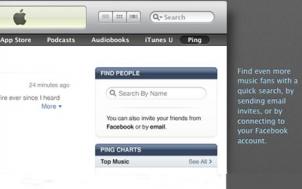
What do you get when you connect your customers to each other? If the customers like your product (and I’d say 10 billions songs sold shows definite positive bias) you get more sales. This echo chamber is what everyone – from Facebook on down – is trying to create and while I don’t believe Apple will pull it off, I think Ping is the first step in the right direction for online sales.
First, take a gander at what El Gruber has to say about Ping. He notes: “One way or another, though, if Ping proves popular, it shouldn’t remain focused solely on music.” He comes at the Ping question from a usability standpoint – shouldn’t there be a separate Ping app? Something completely disconnected from iTunes? In this way, Apple can add books, movies, apps, and the like to Ping and separate it from the lump of code called iTunes.
Ping isn’t perfect. I’m surprised its so clunky right now. However, it does point to better things down the road.
While Apple’s decision to stick Ping into the iTunes app is fairly elementary – it essentially traps users into the Ping way of thinking and when they see the tab they become curious, potentially signing up (I’m john at crunchgear dot com, BTW. Add me. I’d like to see what music you all like) – what we are really seeing is the first social shopping app that disguises itself as a social network inside a dedicate istore. It’s very meta.
Apple is great at co-opting concepts and tweaking them to maintain allegiance to their products. Take Genius Mixes, for example. Genius Mixes are, in short, a sort of Internet radio for non-connected devices. Genius Mixes constitute themselves out of your own music, some of which you probably haven’t listened to in months or years, and give you a new way of “discovering” artists. Genius Mixes work best on big libraries and where do those libraries come from? iTunes purchases or CD ripping or, dare I say it, piracy. But once Genius digs Cory Chisel out of your library to remind you that you like soulful singer-songwriters, you could go back to iTunes and buy more goodies. That’s the thinking, anyway.
But it’s easy to see the problem with Genius Mixes – they never send you back to iTunes. Instead, you orbit around your own collection. But along comes Ping and you’re now depending on friends for your new music discovery from within Ping and now Apple is guaranteed a sale.
So extrapolate a little and we see Ping for Apps, Ping for Books, Ping for Laptops, Ping for… Shoes? Perfume? Monkey Chow? I think the thought experiment here is how Apple can expand the Ping concept to other products and then how competitors can create similar networks around already existing sales systems. Note that Ping is bolted onto an e-store and not the other way around.
I doubt Apple will start selling monkey chow, but I’m sure its in someone’s interest to grab iTunes customers as quickly as possible. Could we see Katy Perry’s candy bustier for sale next to her latest hit? I dread the thought, but welcome the opportunity to see how many of my friends buy one.
Comments are kind of dead right now, so feel free to tweet your comment with hashtag #pingit
Book Mark it-> del.icio.us | Reddit | Slashdot | Digg | Facebook | Technorati | Google | StumbleUpon | Window Live | Tailrank | Furl | Netscape | Yahoo | BlinkList
Apple isn’t making iPad subscriptions easy for publishers
Posted 28 July 2010 20:13pm by Meghan Keane with 0 comments
Publishers may be excited about revenue possibilities on the iPad, but as Time Inc. is learning, the iTunes store isn’t always generous with media providers. Apple encouraged the publisher to create iPad specific applications when the device launched this year, but according to MediaMemo, the company is currently preventing Time magazine from selling subscriptions through iTunes. And Apple’s approach to subscriptions is one that could quickly hobble publishers’ revenue prospects on the iPad.
Time magazine was one of the first publishers to get on the iPad bandwagon, and though some were disappointed with the results, the publisher invested plenty of resources into creating an iPad specific product when the device launched — at Apple’s behest. Now, the company is having trouble selling subscriptions on the device.
According to MediaMemo:
“The magazine giant has been unable to get Apple to let it sell and manage subscriptions for its iPad apps — much to Time Inc.’s surprise.
“Last month, the publisher was set to launch a subscription version of its Sports Illustrated iPad app, where consumers would download the magazines via Apple’s iTunes, but would pay Time Inc. directly. But Apple rejected the app at the last minute, forcing the Time Warner (TWX) unit to sell single copies, using iTunes as a middleman.”
So far, no other publisher has been able to sell subscriptions through the iTunes store either. Executives at Time Inc. are apparently “going nuts” over the situation, at one point considering pulling their app from the store altogether.
Rightfully so. Many publishers were anticipating that the iPad could turn around their dwindling revenues. But they will need to iron out subscription issues before they can start bringing in consistent earnings on the device.
Apple now controls a major part of the music market online with the iTunes store. And effectively, they have changed the way that music is purchased. Before digital downloading of music, people bought albums whole. Now they can pick and choose the individual songs they want. If that happens to the magazine business, with people choosing only the specific issues they want, rather than subscribing annually, it could cut out a major chunk of revenue for the magazine business.
Luckily, it seems like Apple will eventually allow subscriptions. The company’s statement on the issue is vague:
“We have two platforms that we support for apps of all types, including magazines: HTML5 provides an open platform for developers to create and distribute whatever they want, and the App Store which is a curated platform offering customers the largest offering of apps for any mobile device with over 225,000 apps and 5 billion downloads.”
They’re specifically not denying the possibility of subscriptions. However, even once it’s fixed, the issue of user data will likely still remain. Subscriptions may not bring in more revenue than magazines and newspapers bought on the newsstand, but they help with all important readership numbers when publishers turn around and try to sell space to advertisers.
That’s one reason why magazines generally handle their subscriptions in house — to retain and use subscriber info. Even if Apple allows subscriptions on its mobile device, the company retains the user data it acquires when it sells apps through the iTunes store. Similarly on the Kindle, Amazon retains most of the user data for subscriptions it sells.
If customer data is going to be retained by the digital devices, publishers will be in trouble. No matter how many people are willing to pay more for publications in the mobile environment.
Based in New York, Meghan Keane is US Editor of Econsultancy. You can follow her on Twitter: @keanesian.
Book Mark it-> del.icio.us | Reddit | Slashdot | Digg | Facebook | Technorati | Google | StumbleUpon | Window Live | Tailrank | Furl | Netscape | Yahoo | BlinkList
Licensing Proving Troublesome For Cloud-Based iTunes? [Apple Rumored To Be …
When digital music downloading was first made available through illegall venues like Napster, it was a godsend. Prior to these times people had never experienced what it had felt like to acquire music quickly and efficiently from the comfort of the own home. Sure, some users were slapped with some hefty lawsuits and the service saw its demise only to be reopened later as a legal service but there’s no question about it: Napster dropped us into the high paced digital downloading society that we’ve come to know and love today.
Back then, downloading MP3s was a perfectly fine alternative to buying physical CDs. Like I said about it was face, efficient and above all, easy. However, not a days with so many devices all featuring their own storage drives, keeping everything in sync ash proven itself to be a bit troublesome. Lucky for us cloud based music services like Pandora and LaLa have emerged to give us on-the-go music consuming folk easy way to consume our music.
While Napster rules the airwaves back in the day, Apple’s iTunes has enjoyed the top spot in terms of virtual music sales for quite some time now. This can largely be attributed to the fact that Apple’s entire lineup of iDevices (iPad, iPod, iPhone) feature out of the box compatibility with iTunes.
If you’ll remember, not too long ago we let you in on some rumors that after acquiring streaming music website LaLa, Apple would go on to create a cloud-based iTunes. This would allow users to not only stream songs (for a price, presumably) but also sync up their entire line of devices wirelessly making it much less of a hassle.
Well, while this rmor hsa yet to be confirmed we have some additional information regarding its release. Apparantly, the reason we have yet to see a cloud-based iTunes is due to some licensing issues that have come up between Apple and those who own the music.
Let’s hope they get this sorted out soon as syncing by iPod’s music library over WiFi would be quite useful. What are your views on the matter? Would you use a cloud-based iTunes? Let us know.
Book Mark it-> del.icio.us | Reddit | Slashdot | Digg | Facebook | Technorati | Google | StumbleUpon | Window Live | Tailrank | Furl | Netscape | Yahoo | BlinkList
Google to challenge iTunes with own music store
- Photo: Google
How about this? A certain Internet search giant is rumoured to be rolling out a Google music download service built into its search engine in 2010 with a dedicated online subscription service to follow. And in related news, Apple is not happy.
A shot at the core of Apple’s business
A huge part of Apple’s business is built around its iTunes framework. The music download service that has since been used as the launch pad for the company’s extremely successful app store has long been Apple’s digital retail space and a way for the company to tie its users to its hardware (the place where Apple really makes its money). Google, like Amazon before it, wants a piece of that pie, according to the Wall Street Journal.
Details on how this Google music download service will work and whether Google has struck any deals with labels are still scant, but what is clear is the WSJ has heard more than just whispers, with the rumoured service still several months away.
The Google and Apple ring-a-rosy continues
- Photo: Stock.Xchng
A couple of years ago, Google and Apple were the best of friends, with Google CEO Eric Schmidt sitting on Apple’s board of directors and the two companies operating in their own markets. Things have changed significantly in recent times, with the list of markets the two technology companies compete in increasing rapidly:
Smartphones: Google Android is currently considered the biggest threat to Apple’s iPhone business.
Tablet computers: Apple’s iPad is selling at an impressive click reaching three million units sold in 80 days. It is widely known that Google is preparing a variant of Google Android (and Chrome) for deployment on tablets some time this year, too.
Advertising: iAd is Apple’s mobile advertising platform developed to compete directly with Google and Google’s recent acquisition, AdMob.
- Photo: Apple
Mobile TV: Google TV is the biggest project yet in merging online functionalities with traditional television. The admittedly ‘less interesting’ hobby that is AppleTV came before it and rumour has it Apple is cooking up a cloud-based follow up.
And so on and so on and so on.
This Google Music download service is just another addition in what is shaping to be the most fascinating technology rivalry of this generation.
Book Mark it-> del.icio.us | Reddit | Slashdot | Digg | Facebook | Technorati | Google | StumbleUpon | Window Live | Tailrank | Furl | Netscape | Yahoo | BlinkList
Google to take on Apple’s iTunes
Source: ONE NewsApple iTunes
Google is planning to launch a music download store in 2010, which will rival Apple’s iTunes, The Daily Telegraph is reporting.
The Wall Street Journal has made the claims citing people familiar with Google’s discussions with the music industry.
Rumours that Google was planning its own music streaming and download service have been doing the rounds since October 2009.
The search engine is also planning an online subscription service in 2011 following the music streaming launch.
Apple’s iTunes is the world’s leading digital music store and Google’s own music store launch will be the latest round in the ongoing competition between the two tech giants.
Book Mark it-> del.icio.us | Reddit | Slashdot | Digg | Facebook | Technorati | Google | StumbleUpon | Window Live | Tailrank | Furl | Netscape | Yahoo | BlinkList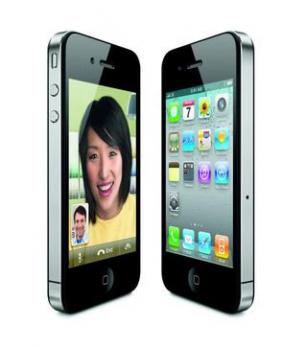
Apple iOS 4 Review
After more than a month of waiting, the iOS 4 update has finally landed for our iDevices. If you haven’t updated your phone already, take a break from reading this and go to iTunes on your computer and install the new update on your iPhone 3GS, 3G or the iPod Touch third or second generation. Because today, we are not going to tell whether the latest update for the iOS devices is worth downloading or not; the fact that it’s great is given. We are just going to describe some of the new features that it brings in and it would be that much more easier to understand for you if you have a device ready with you, full updated as you read this. So, let us begin.
(From hereon, whenever we mention the iPhone, we are talking about the iOS devices excluding the iPad, unless mentioned specifically otherwise).
Multitasking:
After three years of coming up with its first iPhone, Apple has finally implemented multitasking in its mobile operating system. However, unlike Apple’s desktop version, it works in a slightly different way. Apple prioritized device performance and battery life, which meant traditional means of multitasking could not be applied. In Apple’s implementation, apps do not continue to run when they go in background. They merely suspend their activity until they are called back again. With a little something called Fast App Switching, applications are able to save their state and resume from that exact point where they stopped. If it is a game, it will even give you a little countdown before it starts again. Of course, the way the app resumes is completely dependent on how the developer implements the feature in his apps. Yes, multitasking on the iOS 4 is application dependent and if the developer does not take the effort to take advantage of the new API’s that Apple is providing him then resuming that particular app would be no different than starting it from scratch.
Switching between apps on the iPhone can be done by double tapping the home button. I prefer this method to the press and hold method that other mobile platforms such as Symbian or Android implement. I’d rather press a button twice, thrice even if required but I hate having to press and hold, waiting for something to happen. Of course this also means that you can no longer assign a particular task to be performed when you double tap the home button as before (this function is still available though to iPhone 3G and iPod touch second generation devices as they lack multitasking).
When you double tap the Home button, the screen slides up, revealing a row of icons. These are the apps that are running in the background. You can swipe right to see more icons. However, we would have preferred if instead of arranging the icons horizontally and then swiping through them continuously, which can be quite tiring if a lot of them are running simultaneously (which is quite likely to happen), the icons had instead been stacked vertically in a grid, so they would have been quicker to access.
You can quit and application if you want to. Just press and hold and then the icons will start to wiggle and a minus sign will appear on them.
When you double tap to bring up the screen of running apps, the first screen that is shown is actually the second screen. The first screen is permanently assigned to the iPod application and the music playback keys. Also something that I’ve been wanting ever since I started using an iPhone: an orientation lock switch. The iPhone or iPod touch may not have a hardware button like the iPad, but this software switch is also good enough. However, unlike the iPad’s switch it cannot lock the display in any orientation but just portrait mode. Unfortunately, the orientation lock switch is not available for the iPhone 3G and iPod touch second generation users, which is just ridiculous. Apple could have easily put that option somewhere in the settings menu and it would have still been fine compared to not having it at all.
Finally, there are the music keys, which actually can be used for any application that may be playing audio at the moment and not just the iPod player. They are quite handy, however, as I mentioned before, if you are not near the first group of apps on the multitasking row, you will have to swipe several times before you can reach them. The icon for the iPod app is also found here, which I thought was a bit unnecessary as the icon is already present in the list of running applications when the music is playing.
Another weird thing is that the row of icons in the multitasking tray only appear in portrait mode. So, if you rotate the phone in landscape orientation the icons do not rotate.
Unfortunately, multitasking is not available on iPhone 3G and iPod touch second generation. This is kind of a bummer for a lot of people out there. I’m sure both these devices could have pulled it off and even though the experience wouldn’t have been as smooth as on the 3GS or the third generation iPod touch. But that’s the thing with Apple; it’s all about the experience.
Book Mark it-> del.icio.us | Reddit | Slashdot | Digg | Facebook | Technorati | Google | StumbleUpon | Window Live | Tailrank | Furl | Netscape | Yahoo | BlinkList
Apple releases iTunes 9.2 with support for iOS 4, iPhone 4
By Katie Marsal
Published: 04:30 PM EST In preparation for next week’s release of iOS 4 and iPhone 4, Apple on Wednesday updated its iTunes desktop media application to version 9.2, adding support for iBooks, PDFs, and Apple’s latest handset.
iTunes 9.2 is available for download direct from Apple, or via Software Update on a Mac. It is a 101.99MB file for Mac OS X, 92.29MB for Windows 32-bit, and 92.99MB for Windows 64-bit.
Apple said Wednesday the update to iTunes includes the following features and fixes:
- Sync with iPhone 4 to enjoy your favorite music, movies, TV shows, books and more on-the-go
- Sync and read books with iPhone or iPod touch with iOS 4 and iBooks 1.1
- Organize and sync PDF documents as books. Read PDFs with iBooks 1.1 on iPad and any iPhone or iPod touch with iOS 4
- Organize your apps on your iOS 4 home screens into folders using iTunes
- Faster back-ups while syncing an iPhone or iPod touch with iOS 4
- Album artwork improvements make artwork appear more quickly when exploring your library
Word of iTunes 9.2 first arrived during Apple’s Worldwide Developers Conference last week, when it was seeded to developers in a Golden Master form.
iOS 4 will ship on June 21 as a free update for the iPhone 3GS, iPhone 3G, and recent generations of the iPod touch. It will be followed on Thursday by the release of iPhone 4, also running iOS 4.
Book Mark it-> del.icio.us | Reddit | Slashdot | Digg | Facebook | Technorati | Google | StumbleUpon | Window Live | Tailrank | Furl | Netscape | Yahoo | BlinkList
The iPad: a computer for the rest of us
Last week I finally got my hands on an iPad. Thanks to suffering from a bad cold for several days, I was able to devote a lot of time to putting the much-hyped device through its paces.
When I first wrote about the iPad back in January, it had just been announced. Few people had seen it, fewer had used it. Since then it’s been released to the masses, first in the United States and finally, late last month, here in Canada and elsewhere in the world. In my initial, uninformed assessment I wrote that I didn’t need an iPad because everything I could do on it I was already able to do using tools I already had, such as my Mac laptop, my mobile phone and my e-reader. I opined that it would be good for people who didn’t have these devices or who weren’t too tech savvy.
I still stand by those words, but after a week with the iPad, I’ve changed my mind as to its effect on me. Yes, I can read books on the Sony Reader, and yes, I can access email and the web and play games on my mobile phone, but the experience is so much richer on the iPad that there’s no comparison. And there are things I can do on the iPad that I can’t do on a mobile — such as download, read and annotate PDFs while on the SkyTrain (very useful for me in my PhD research), watch movies and tv shows, show off photos to my friends and family, and so on. I’ve even used it in the kitchen, as a recipe “book”.
Now, I realize that comparatively few people have iPads, and comparatively few will buy them, but the experiential change that Apple has introduced will, I feel, have profound implications on the future of computing.
Right now, if you want to use a computer, you have to adapt yourself to it. You have to learn about directory structures, saving, erasing, locating and importing files; you have to wait for it to boot up, you have to be wary of viruses, etc. For some people, that’s great — there are people who love tinkering with computers, but most of us just want to use the damn thing. We want it to come on instantly, to save our data automatically, to protect us from viruses.
The iPad does all this. It turns on instantly. If you work in an application, when you leave the application, your work is automatically saved. It’s difficult to infect with a virus. You don’t have to worry about directory structures or (usually) file names. You don’t have to point to things on the screen with a mouse or keyboard — you just use your finger. Even if you don’t have an iPad or if you don’t care about Apple and its products, these things will affect you, because other computer manufacturers, seeing the success of the iPad and the height of the bar that Apple has raised, will be doing their best in common months to emulate and improve on the iPad.
The iPad isn’t perfect of course, as many people have been at pains to point out (see Engadget for one of the best and most balanced reviews). It’s great for some things, and not so good for others. But for a first try, it’s very impressive, and well worth the price.
Like the iPod Touch and iPhone, the iPad can download and run apps from the iTunes store. There are already thousands of iPad-specific titles available, including games, utilities, and the like. Some apps are iPad-specific, others are flexible enough to adjust to either the iPad or iPhone. Even the ones designed specifically for the iPhone will run on the iPad, but these don’t look very good on the larger screen.
The web experience on the iPad is much richer and rewarding than on a mobile phone. You can see an entire web page at a time, and still use your fingers to zoom in or out to particular areas of interest. True, web pages that use Flash will miss out on some content, but that’s a minor inconvenience as far as I’m concerned. Email is also easier to read and write on the iPad than on the iPhone, thanks to the larger screen.
Though the iPad is not perfect for writing long stretches of text, it can be done — I’m typing this article on my iPad while enjoying a rare bit of sun at English Bay. Typing is awkward, but gets easier with practice. An external keyboard (Apple sells one that connects to the iPad dock connector, or you can use a Bluetooth keyboard) is a useful accessory. For shorter works or for editing, the iPad works fine (I use Docs to Go, by the way). Thanks to the touch screen, the iPad is good for painting and drawing, and there are a number of applications that will allow you to touch-paint your masterpiece.
For consuming media, the iPad is unbeatable. For music, It has built-in iTunes soft ware, and can output to either headphones or a not-bad internal speaker. Watching movies, tv shows or YouTube videos is enjoyable (you can hook up the iPad to a larger screen with a separately sold cable). And photos on the iPad can be stunning.
But for me, reading was the real revelation. The tablet size works well for all sizes of the tinted word –books, magazines, newspapers and web pages. Already several newspapers (notably the New York Times and Wall Street Journal) and magazines (Wired, Popular Mechanics) have created appealingly designed iPad apps and more are on the way.
There are also several book “readers”, including Apple’s own iBooks, Amazon’s Kindle software and Chapters/Indigo’s Kobo. All render beautifully on the iPad screen, but the best by far is iBooks. Unlike the others, iBooks gives you a choice of fonts and if you switch the iPad to landscape mode, the screen. Actually resembles an opened book, complete with a rendered shadow effect down the centre. Unfortunately, Apple hasn’t come to an arrangement with Canadian publishers yet, so the only books available through the iTunes store are out-of-copyright ones. Both Kobo and Kindle have extensive catalogues available and waiting for you to purchase and download wirelessly. On the other hand, you can sync PDF and ePub books you already possess into iBooks. My recommendation: get all three — iBooks, Kindle and Kobo — since the basic application is free.
Social media is also easy on the iPad. though Facebook has yet to release an iPad app, there are a few third-party Twitter apps available. Apple includes a built-in YouTube app that’s easy and fun to use. There are third-party apps that allow you to access your Flickr account and view other peoples’ photos.
To sum up, even though it’s still early days for the iPad and for tablet computing in general, already it’s showing amazing potential. It takes the stress out of computing and allows you to concentrate on actually doing things — creating, reading, watching, connecting. I can’t wait to see where people take it.
The iPad is available at Apple stores and at other retailers, such as London Drugs and Future Shop for $549 and up, depending on configuration. You can choose between 16, 32 and 64 gigabytes of storage and between Wifi only and Wifi + 3G. If you opt for the latter, both Bell and Rogers have monthly plans available.
Elsewhere in Technology This Week
- BC Ferries will be introducing free wifi on the Tsawwassen-Swartz Bay run and at those two terminals next month, the Vancouver Sun reports. If successful, the program will be expanded to other major routes.
- The New York Times Magazine begins a series on artificial intelligence with a story about an IBM computer that plays Jeopardy. You can read it here.

Google Looks to Take Bite Out of Apple’s iTunes
Apple’s iTunes is the biggest force in music retailing today. It has gone head-to-head with Amazon, Best Buy and Wal-Mart and won. Now, a rumored new player to the music business believes that it can give Apple a run for its money. What do you think about the prospects of a Google music service and the implications for Apple and others in the business?
REGISTRATION ONLY TAKES A MINUTE!
To read the complete content of this article and participate in the discussion,
click the button below and sign up now! Existing subscribers, use the login below.