HP buys iTunes jailbreaker
HP buys iTunes jailbreaker
Beefing up its mobile OS
By Andrew Orlowski • Get more from this author
Posted in PCs & Chips, 25th June 2010 10:09 GMT
Free whitepaper – The Register Guide to Improving Systems Agility
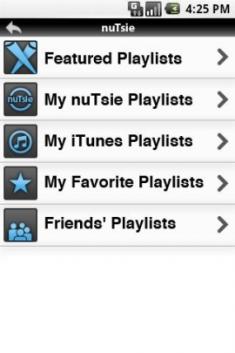
HP has bought one of the more interesting music startups for an undisclosed sum. Melodio’s nuTsie software looks up what’s in your iTunes library, including the playlists, then matches it against a catalog of music on its own servers, from where the music is then streamed.
It creates recommendations based on machine algorithms – which isn’t so interesting. But nuTsie offers a legally acceptable, if expensive (streamers must pay webcast royalty rates), way of migrating a user base away from iTunes.
The software runs on Apple, RIM and some other smartphones.
Free from its exclusive reliance on Windows after all these years, HP is seriously going after the mobile consumer electronics dollars. The company picked up Palm for $1.2bn in April, bringing it with it WebOS, the slickest and most capable competitor to Apple’s iOS.
Palm too realised the importance of cracking open the iTunes library – but made a promise that was hard to keep. Palm vowed ongoing two-way sychronisation between its devices and an iTunes library by masquerading as an iPod. This resulted in a tedious cat-and-mouse game with Apple, and users were never sure whether it would work, or for how long.
Blackberry and Nokia, among others, have managed the less ambitious but perfectly acceptable feat of making a (partial or complete) mirror of the iTunes library on their devices. Which works well enough for most people. ®
Free whitepaper – The Register Guide to Enterprise Virtualization
Book Mark it-> del.icio.us | Reddit | Slashdot | Digg | Facebook | Technorati | Google | StumbleUpon | Window Live | Tailrank | Furl | Netscape | Yahoo | BlinkList
The final price has yet to be announced. Presumably, Apple doesn’t want somebody else doing it because they’re working on such a service themselves, but for a while longer, at least, iPhones will remain pathetically chained to iTunes while BlackBerries ( Blackberries!? ) will enjoy carefree wireless syncing. So, absolutely No cables – no hassles – no problems. Key features. Do you have a healthy iTunes library full of music. Unlike streaming solutions, once music is downloaded, no wireless connection is required meaning no more data is used – saving money and battery power and providing a dependable music listening experience regardless of cellular reception. Since everything runs in the background, once the app is installed all you have to search them out one at a time and download manually. Then it would cost you $14.99 one time purchase. ( NOTE: This price is for a limited time.) So, what are you waiting for. You can take a 30 day trial to try and test it.
Smart App. The trial price, when the app launches any day now, will be $15. It wirelessly and automatically syncs your iTunes music playlist and your smartphone, so that you have your music with you anywhere, anytime. Founded in 2008, ParkVu’s WithMe family of software meets the smartphone consumer’s demand for instant access to their media files, regardless of location, time or file size. Let me know what you think of it. For now it supports Blackberry, and support for Maemo, Symbian, and Android is coming soon.
Book Mark it-> del.icio.us | Reddit | Slashdot | Digg | Facebook | Technorati | Google | StumbleUpon | Window Live | Tailrank | Furl | Netscape | Yahoo | BlinkList
Biggest Threat To Apple iTunes Is ‘Google Music’ Hitting A High Note
While Google has been battling it out with Apple for quite some time on the hardware front – Droids vs iPhones – and on the mobile advertising side – AdMob vs Quattro Wireless – it now appears to want its own music download service to go mano-a-mano with Apple’s iTunes, as well.
While Google doesn’t always grasp the brass ring each and every time it circles the digital carousel, in this case, it does have a fighting chance of scoring big if they do it right.
A major component of Apple’s core business model is built around its iTunes platform. The music download services has beat out the competition markedly over the years and its been a direct conduit for users to move from apps to hardware, i.e. iPods, iPhones and now the iPad. Google, like Amazon before it, has its eye on the same prize and thinks it came make a dent in Apple’s marketshare of 26.6 percent of music downloads (with Amazon in a distant #5 spot) according to an AllNewsMac report.
According to a Wall Street Journal report, while Google has linked to Pandora and iLike music Web sites via SERP results for specific music, it realizes the monetary value attached to these searches – and feels its losing out on an untapped lucrative revenue source.
So, the first step for Google’s music service would be a Web store comparable to iTunes where users could purchase and download tracks of music. Then when searchers use Google.com to find a particular group or song, they will be served a link to the company’s own music store, most likely by-passing Pandora and iLike (or at least not having them show up on the first page of search results).
While Google and Apple refused to comment on the Wall Street Journal report, Google’s push into music retailing makes a lot of sense and would more than likely be well received by music labels that are concerned about the control Apple currently has in the music market.
In a Mashable report, Google introduced technology at Google I/O Conference that would allow Android users to stream music off of their desktop computers directly to their smartphones. This is what a cloud-based subscription service may offer in the future.
The report goes further to say that if your Android-based Google TV could also stream any music you want to your home stereo, that becomes an Apple TV without limiting users to their libraries – a direct blow against another of Apple’s hardware products.
There is also an opportunity for automobiles with Android-embedded systems to acquire ease of access. When these products make it to market, Google’s ability to access a streaming subscription from your car, your home and your phone could make a Google-branded music subscription service succeed where so many others have failed.
Catching that brass ring would be a major coup for the search engine giant, and could potentially put Apple in overdrive trying to compete? Question is would you chuck iTunes for this type of comprehensive music subscription – or would you need more bells and whistles? Or are you too loyal to leave the tried-and-true iTunes music service? Let us know your thoughts?
Book Mark it-> del.icio.us | Reddit | Slashdot | Digg | Facebook | Technorati | Google | StumbleUpon | Window Live | Tailrank | Furl | Netscape | Yahoo | BlinkList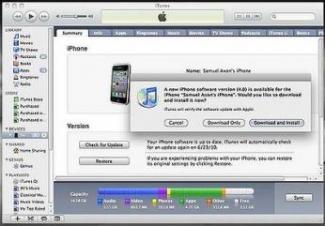
The complete guide to the iPhone’s new OS
The new iOS 4 firmware update has arrived for newer iPhone and iPod Touch models. Here’s what you need to know to get the most out of the new, improved operating system.
First off, have you actually upgraded? If not, here’s how.
Afterwards, be sure to go to iTunes and download the apps updated for iOS 4. Now, let’s look at what the new OS will do for your phone or iPod.
Multitasking and fast app switching
The big one. Here’s how you try it.
- Open the phone app
- Hit the home button once, then open Safari and go to any site
- Double tap the home button, which will bring up a little menu tray
- Select one of the “open” apps to switch directly to it
You can also swipe left and right to scroll through the different “pages” of apps you have open. If your app is multitasking-enabled, it will resume exactly where you left off. Games will continue from pause mode, web pages will be where you left them, music will continuously play even while you’re in another app, and so forth. The standard multitasking benefits.
So yes, this allows you to listen to Pandora in the background while you do other stuff. Well, as long as you grab that new version of Pandora. Strangely enough, YouTube backgrounding does not work, even though I remember specifically talks of that working. Not sure what happened there, or if the YouTube app needs an update.
The big picture is you can do a lot of stuff now that you couldn’t do before. You can have a Skype phone call and use your phone simultaneously, have a GPS turn-by-turn navigation app keep your place and keep routing you even while you go and send a text message, or even just load up a web page and have it full in in the background while you go change a song.
To close a running app
Steve Jobs doesn’t recommend that you even deal with closing running apps, because the phone will take care of it automatically. But if you want to shut off Pandora, or AIM, or anything else that’s running in the background and giving you alerts or doing something you want to end, here’s what you do.
- Double tap the home button from any app
- Press and hold on an app icon. The dismiss “minus” icon will pop up on each app and the icons will start shaking
- Click the minus icon to kill an app. You can do so repeatedly for all the apps you want to close.
- To get out of this mode, hit the home button
App folders
The hell of countless app screens is finally gone — or at least manageable in a sloppy way now. The folders in iOS 4.0 aren’t perfect but they help organization just a bit and they’re simple to use.
All you need to do is press-and-hold any app to trigger rearranging app icons and you’ll be able to drag them onto each other to create folders. Done. Your iPhone will even automatically suggest a name for the folder based on the type of apps you’re sticking in there (though you can change that with a tap).
Folders aren’t exactly perfect though. They fit twelve apps, but only show tiny versions of 9. Once opened, folders show apps in rows of four — which leaves a net nine-app folder looking awkward once open. No matter though, we’re content with being tossed at least a scrap here and hope that future iOS upgrades will address the some of the shortcomings of folders.
It’s not surprising, but it’s good to know that you can in fact stick folders into the dock.
Improved Mail features (mail threading)
We’re glad to see that the Mail app received a bit of a feature makeover of sorts. All the new changes appear to be in response to complaints we’ve had our heard from other iPhone users.
The email threading feature is surprisingly solid. When you’ve got it turned on, emails will be grouped by replies — like in Gmail for example — and you’ll see a little number indicator next to the most messages in your inbox to show you how long a thread is. Tap that most recent message and all others will pop up.
Speaking of Gmail! Those users will be happy to see that the “delete” button that shows up after a swipe has turned into an “archive” button. Makes things just a bit more logical.
We’re also happy to see that there are now “smart” links in emails now. This means that you can tap on dates to add events to your calendar, press tracking numbers to pull up the UPS website, or open the Maps app when there’s an address included.
And the best change to the Mail app? The long-awaited unified inbox. You can finally view emails by inbox or in one large dump. When replying to a message from the unified inbox, your iPhone will automatically use the correct email account.
If you receive an email from a person who has a picture in your contacts, you’ll now see a tiny image of him or her in the corner. Kinda cute.
Note syncing
There is now an option to sync notes over-the-air with some email accounts—such as those through MobileMe.
New iPod multitasking controls
While you can no longer get a pop-up set of iPod controls by double-tapping the home button, you do have a decent replacement in the multi-tasking drawer. By swiping over to the very left of the drawer, you’ll be able to access some minimal iPod controls next to the orientation lock. Play/pause, forward, back. It’s just enough to make some quick adjustments to song selection, but we still miss the old pop-up-style controls a bit.
iBooks
That book e-reader program that’s already out on iPad is coming to iPhone! (Yay.) But it’s not built in. (Wha?) You have to hit the App Store and manually download the iBooks ap. It’s free. Maybe for competitive purposes? Who knows.
In any case, you can sync ePub and PDF books directly from iTunes by using the iBooks section. If you have books in other formats other than ePub, use calibr to convert them.
Custom homescreen wallpapers
If you have an iPhone 3GS or a late-model iPod Touch, you can set backgrounds for your home screen. Like on the iPad. Here’s how.
- Go to Settings
- Tap Wallpaper
- Tap on the two icons that represent your two current homescreen/lockscreen wallpapers
- Choose a picture from either the Wallpapers list that Apple included, or use one of your own photos from your photo album
- Decide whether you want it on your lock screen, your home screen, or Both
- Hit the home button to see your new home screen
Unfortunately, iPhone 3G users don’t get to have Wallpapers. But if you want those Lost wallpapers, here you go.
Digital zoom
Keep in mind that this is digital zoom, so the already-wanting quality of the iPhone 3G/3GS camera will get even worse when you go 5x bigger. This is no enhance, enhance, enhance magic.
But to do so, just open up the Camera app, tap somewhere on the middle of the screen and the slider will appear. Slide it right to zoom, left to un-crappify. Note, zooming doesn’t work on videos, where you can only tap to focus, but not zoom.
Bluetooth keyboards
Pairing a Bluetooth keyboard — almost any Bluetooth keyboard, not just the slender Apple-branded kind — is as simple as pairing any other Bluetooth device. Turn the keyboard on, turn on Bluetooth, let your phone detect the keyboard, and tap a few numbers. Done. It works quite well, though it takes a while to get used to not having the on-scree keyboard pop-up while a Bluetooth one is connected.
Turn off cellular data
If you’re traveling abroad and want to make sure you stick only to Wi-Fi, you can now turn off cell data. Go to Settings, General, and then Network.
Tethering
You can now tether your phone to your computer over USB or Bluetooth. But how? The first step is turning on tethering on your account, which you can do by going to att.com/mywireless and enrolling in the tethering plan. It’s an extra $20 a month, and you get to share whatever data plan you have on your phone with your computer.
Charging an extra $20 just for the privilege of using the same data you’re already using on another device seems seems pretty lame, but that’s a gripe for another time.
iAds
What, you’re in such a hurry to look at ads on your iPhone? You’ll have to cool it for a bit, because the ads themselves aren’t available until July 1. What you can do, though, is opt-out of the targeting portion of the ads by going to oo.apple.com, but that isn’t live until July 1 either.
Making playlists on your phone
You can do this now! Just hit the “Add New Playlist” from your playlists screen, and follow the on-screen instructions.
Quick Web, Wikipedia search
Swipe left from the home screen to get to the quick search area, where it now brings up not just local results, but gives you web and wikipedia links as well.
Speed
This isn’t exactly something you “try”, but compared to 3.1.3, iPhone 4 (on a 3GS) is definitely faster. Everything is snappier and quite fluid. Any of the sluggishness found in the betas is definitely gone.
New contacts screen
Adding a new contact is streamlined so that you don’t need to keep jumping to a new input page in order to add a field, making everything just slightly faster.
Sync Events, Faces and Places from iPhoto
If you use iPhoto, you can sync discrete Faces, Events and Places from within iTunes, making it easier than setting up a hack-workaround album solution that doesn’t work quite as well as Apple’s native feature.
Spellcheck
There’s a built-in spellchecker, which is useful, unless you’re deliberately going for misspelled words in an ironic text, then it’s horrifyingly annoying.
Search with Yahoo or Bing
Under Settings, Safari, Search Engine, you can change your default search engine to one of the non-Google alternatives, if you’re the type of person who likes those engines more.
Send full-sized, any-sized photos when you’re emailing
No longer do you have to sync your iPhone to your computer to get full-sized photos off of it. You can also have the option of resizing to a small, medium or large size, in case it’s something you don’t need super clarify for.
SMS character count, MMS disabling, searching
Like the Mail app, the Messaging app got a few new features. For the most part the changes are minor — there are now options to toggle off MMS and grouping of messages with multiple recipients as well as a character count. The best new feature though is the SMS search. It’s not really different from any other search in the iOS. It simply live-updates results as you keep adding to your query.
Easier adjustment of location services
Now with apps being able to grab and use your location in the background, there might be multiple apps knowing where you are at the same time. The locations menu lets you keep track of who’s used your data in the last 24 hours, or if you want, you can shut off location for certain apps entirely.
Better enterprise support
There’s a small segment of you that will care about this, but the iPhone OS 4 can do a bunch of Enterprise stuff. And here it is, courtesy of Ars Technica:
- You can now encrypt your e-mail or attachments with your iPhone PIN code. The API for this is also available to developers so that you will be able to encrypt data inside of third-party apps as well.
- Apple now offers a mobile device management solution so that someone deploying lots of iPhones within a company can manage them.
- Wireless app distribution: no longer do you have to deploy apps across your company’s iPhones with a physical connection. You can distribute apps to anywhere in the world from your own servers.
- As we mentioned in the Mail section, you can now have multiple Exchange accounts on a single phone.
- There’s now support for Exchange Server 2010.
- There’s now also support for SSL VPN.
Improved lock codes
For the frustrated and paranoid, Apple has finally added an option to toggle from four-digit “simple passcodes” to longer alphanumeric lockcodes.
Custom dictionaries
You can now finally stop telling people to go “duck” themselves because they’re such “ducking” idiots by adding your favorite terms to a custom dictionary. The only stupid thing is that the option to edit a dictionary only appears if you add a foreign keyboard in the “International Keyboards” menu.
Cosmetic changes
Plenty of minor cosmetic changes in iOS 4. A few settings — like the Spotlight search customization — are now easier to find and some app icons are just a tiny bit prettier. A few of the changes are actually useful though, such as the ability to finally view your Photo Roll in a horizontal orientation and YouTube in a vertical one.
How it runs on iPhone 3G
There’s no multitasking in iOS 4 for the iPhone 3G. (Or wallpapers or Bluetooth keyboard support.) Which would be fine, if iOS 4 delivered that other thing iPhone 3G owners really wanted: speed. It’s no faster than OS 3.1. The hangups, the stuttering and the chugging, still make the iPhone 3G kind of infuriating to use, or at least make you really want to buy a new iPhone.
But iOS 4 still makes it a better experience overall: The unified inbox and folders alone make it worth the jump. After all, it’s not any worse than 3.1.
What we still didn’t get (and want in iOS 5)
SMS tone customization. Seriously! C’mon!’
- Facebook integration, or any kind of cloud-contact syncing
- iTunes cloud streaming, direct from an iTunes.com
- Better multitasking, because only having four icons visible at once is arbitrarily clumsy. Why swipe through so many apps to find the one to “quickly” switch to
- A solution to the modal popup problem. I don’t want to be locked out of what I’m doing whenever I get an IM
- Widgets in the multitasking tray
- A lock screen that shows email count, IM count, SMS count and other info to be determined by the user
- Home screen widgets even
- Free turn-by-turn application (Android can do it, why not one for iPhone)
- Ability to remove Apple’s default apps
- Horizontal homescreen
- Ability to disable spotlight searching entirely, for both privacy reasons and for clumsy-swiping reasons
- iChat mobile, with FaceTime on iPhone 4 somehow worked in to video chat with desktops
- A “mark all as read” or “select all” button in the Mail app would be nice.
- Email account specific email signatures could help us avoid forcing our work signature on all our personal email accounts.
Google planning iTunes downloads rival?
Rumours are abound today regarding Google’s massive iTunes rival music and media download service coming to a computer near you in arrive by the end of the year, according to music industry sources
Rumours regarding a Google iTunes rival started earlier on in the year when the tech giant Google bought out Simplify Media, and the ideas started to form around a Google download system for PC’s and Android systems, plus an inclusion in the forthcoming Google Chrome operating system that is set to be coming to computers and smart devices in the coming months.
Google + Music
Google are reportedly in talks with many music execs regarding the service and have been pushing for a music service that will not only tie in the search engine giants search functionality but will also be live and searchable on Android handsets and OS operating devices.
One of the features recently talked about at the Google I/O conference was a new desktop app and Android service that will allow users to stream music direct from their home computers to their phones through a dedicated internet service which would be likely to feature in any future Google music download system
Currently Google are keeping pretty quiet but as Apple have recently found out, you can’t keep a good secret in for long.
Popularity: 1% ?
Tags: 2.1, 2.2, Android, Apple, Chrome, download, google, ios 4, iTunes, media, service
Book Mark it-> del.icio.us | Reddit | Slashdot | Digg | Facebook | Technorati | Google | StumbleUpon | Window Live | Tailrank | Furl | Netscape | Yahoo | BlinkList
Google to challenge iTunes with own music store
- Photo: Google
How about this? A certain Internet search giant is rumoured to be rolling out a Google music download service built into its search engine in 2010 with a dedicated online subscription service to follow. And in related news, Apple is not happy.
A shot at the core of Apple’s business
A huge part of Apple’s business is built around its iTunes framework. The music download service that has since been used as the launch pad for the company’s extremely successful app store has long been Apple’s digital retail space and a way for the company to tie its users to its hardware (the place where Apple really makes its money). Google, like Amazon before it, wants a piece of that pie, according to the Wall Street Journal.
Details on how this Google music download service will work and whether Google has struck any deals with labels are still scant, but what is clear is the WSJ has heard more than just whispers, with the rumoured service still several months away.
The Google and Apple ring-a-rosy continues
- Photo: Stock.Xchng
A couple of years ago, Google and Apple were the best of friends, with Google CEO Eric Schmidt sitting on Apple’s board of directors and the two companies operating in their own markets. Things have changed significantly in recent times, with the list of markets the two technology companies compete in increasing rapidly:
Smartphones: Google Android is currently considered the biggest threat to Apple’s iPhone business.
Tablet computers: Apple’s iPad is selling at an impressive click reaching three million units sold in 80 days. It is widely known that Google is preparing a variant of Google Android (and Chrome) for deployment on tablets some time this year, too.
Advertising: iAd is Apple’s mobile advertising platform developed to compete directly with Google and Google’s recent acquisition, AdMob.
- Photo: Apple
Mobile TV: Google TV is the biggest project yet in merging online functionalities with traditional television. The admittedly ‘less interesting’ hobby that is AppleTV came before it and rumour has it Apple is cooking up a cloud-based follow up.
And so on and so on and so on.
This Google Music download service is just another addition in what is shaping to be the most fascinating technology rivalry of this generation.
Book Mark it-> del.icio.us | Reddit | Slashdot | Digg | Facebook | Technorati | Google | StumbleUpon | Window Live | Tailrank | Furl | Netscape | Yahoo | BlinkList
Google to Debut Their Own iTunes Competitor Through Their Search Engine …
Back in the day if you wanted to buy music without leaving your home you were pretty much forced to use an illegal service such as the late, great Napster. As of late, companies are stepping in to fill the gap and offer completely legal, paid for digital downloads. Some prominent companies that are doing such things are Apple with their immensely popular iTunes and Amazon.com with their own music digital distribution website. Sure, there are still illegal ways to download music and there probably always will be but that’s not what we’re talking about here.
What we are talking about here, however, is new competitors in the digital music industry. Apple can’t take all of the glory and who better than Google to let them know that? Back at their I/O conference, we told you that Google would be updating the Android marketplace to also include a song section. This means if you have an Android powered device running the new Marketplace, you’d be able to download a song through the service. Easy enough.
However, it seems like this isn’t all Google has in the pipeline as rumors have surfaced today that say Google is working on a full fledged digital distribution platform for music. At launch (whenever that may be) Google will provide a website that will allow users to not only purchase and download tracks, but also stream them (much like you would find over at Lala or Pandora.
Furthermore, considering Google is first and foremost a search engine based company, these reports also suggest that the company will provide song downloads straight through search results. So, if this pans out to buy a song all you’ll have to do is go to Google, search for the song you want and presumably the first result will be a link to Google’s music store where you can download the song.
I don’t know about you guys, but if Google can price their tracks competitively enough, I’m thinkin’ Apple’s iTunes is going to have a worthy competitor on their hands. Finally.
Book Mark it-> del.icio.us | Reddit | Slashdot | Digg | Facebook | Technorati | Google | StumbleUpon | Window Live | Tailrank | Furl | Netscape | Yahoo | BlinkList
Google ‘to launch music download store in 2010′ to rival Apple’s iTunes
Rumours that Google has been planning its own music streaming and download service have been doing the rounds since October 2009, but no confirmed details have yet to come to light.
According The Wall Street Journal, “Google has been stepping up its conversations about offering new music services tied to phones running its Android operating system along with the broader web”. However, the launch of Google’s download music store is still believed to be “still months away”.
The development of a music store would up the ante between the search giant and Apple – which operates the leading digital music store: iTunes. It would mark the latest round in the ongoing competition between the two technology giants, after Google launched its Android mobile platform to rival Apple’s iPhone software.
The first phase is expected to see Google launch a music download store, which is directly linked to its search engine. This would be an “interim step”, according to the report’s sources, on the way to a “more ambitious cloud-based music subscription service compatible with mobile phones built with Google’s Android software”.
Both Google and Apple were unavailable to comment.
Google had begun to take small steps towards the music industry last year when it started linking to partner websites like iLike, which was later purchased by MySpace, allowing streaming with one click from its search page.
Book Mark it-> del.icio.us | Reddit | Slashdot | Digg | Facebook | Technorati | Google | StumbleUpon | Window Live | Tailrank | Furl | Netscape | Yahoo | BlinkList
Google to take on Apple’s iTunes
Source: ONE NewsApple iTunes
Google is planning to launch a music download store in 2010, which will rival Apple’s iTunes, The Daily Telegraph is reporting.
The Wall Street Journal has made the claims citing people familiar with Google’s discussions with the music industry.
Rumours that Google was planning its own music streaming and download service have been doing the rounds since October 2009.
The search engine is also planning an online subscription service in 2011 following the music streaming launch.
Apple’s iTunes is the world’s leading digital music store and Google’s own music store launch will be the latest round in the ongoing competition between the two tech giants.
Book Mark it-> del.icio.us | Reddit | Slashdot | Digg | Facebook | Technorati | Google | StumbleUpon | Window Live | Tailrank | Furl | Netscape | Yahoo | BlinkList
Apple iOS 4 Review
After more than a month of waiting, the iOS 4 update has finally landed for our iDevices. If you haven’t updated your phone already, take a break from reading this and go to iTunes on your computer and install the new update on your iPhone 3GS, 3G or the iPod Touch third or second generation. Because today, we are not going to tell whether the latest update for the iOS devices is worth downloading or not; the fact that it’s great is given. We are just going to describe some of the new features that it brings in and it would be that much more easier to understand for you if you have a device ready with you, full updated as you read this. So, let us begin.
(From hereon, whenever we mention the iPhone, we are talking about the iOS devices excluding the iPad, unless mentioned specifically otherwise).
Multitasking:
After three years of coming up with its first iPhone, Apple has finally implemented multitasking in its mobile operating system. However, unlike Apple’s desktop version, it works in a slightly different way. Apple prioritized device performance and battery life, which meant traditional means of multitasking could not be applied. In Apple’s implementation, apps do not continue to run when they go in background. They merely suspend their activity until they are called back again. With a little something called Fast App Switching, applications are able to save their state and resume from that exact point where they stopped. If it is a game, it will even give you a little countdown before it starts again. Of course, the way the app resumes is completely dependent on how the developer implements the feature in his apps. Yes, multitasking on the iOS 4 is application dependent and if the developer does not take the effort to take advantage of the new API’s that Apple is providing him then resuming that particular app would be no different than starting it from scratch.
Switching between apps on the iPhone can be done by double tapping the home button. I prefer this method to the press and hold method that other mobile platforms such as Symbian or Android implement. I’d rather press a button twice, thrice even if required but I hate having to press and hold, waiting for something to happen. Of course this also means that you can no longer assign a particular task to be performed when you double tap the home button as before (this function is still available though to iPhone 3G and iPod touch second generation devices as they lack multitasking).
When you double tap the Home button, the screen slides up, revealing a row of icons. These are the apps that are running in the background. You can swipe right to see more icons. However, we would have preferred if instead of arranging the icons horizontally and then swiping through them continuously, which can be quite tiring if a lot of them are running simultaneously (which is quite likely to happen), the icons had instead been stacked vertically in a grid, so they would have been quicker to access.
You can quit and application if you want to. Just press and hold and then the icons will start to wiggle and a minus sign will appear on them.
When you double tap to bring up the screen of running apps, the first screen that is shown is actually the second screen. The first screen is permanently assigned to the iPod application and the music playback keys. Also something that I’ve been wanting ever since I started using an iPhone: an orientation lock switch. The iPhone or iPod touch may not have a hardware button like the iPad, but this software switch is also good enough. However, unlike the iPad’s switch it cannot lock the display in any orientation but just portrait mode. Unfortunately, the orientation lock switch is not available for the iPhone 3G and iPod touch second generation users, which is just ridiculous. Apple could have easily put that option somewhere in the settings menu and it would have still been fine compared to not having it at all.
Finally, there are the music keys, which actually can be used for any application that may be playing audio at the moment and not just the iPod player. They are quite handy, however, as I mentioned before, if you are not near the first group of apps on the multitasking row, you will have to swipe several times before you can reach them. The icon for the iPod app is also found here, which I thought was a bit unnecessary as the icon is already present in the list of running applications when the music is playing.
Another weird thing is that the row of icons in the multitasking tray only appear in portrait mode. So, if you rotate the phone in landscape orientation the icons do not rotate.
Unfortunately, multitasking is not available on iPhone 3G and iPod touch second generation. This is kind of a bummer for a lot of people out there. I’m sure both these devices could have pulled it off and even though the experience wouldn’t have been as smooth as on the 3GS or the third generation iPod touch. But that’s the thing with Apple; it’s all about the experience.
Book Mark it-> del.icio.us | Reddit | Slashdot | Digg | Facebook | Technorati | Google | StumbleUpon | Window Live | Tailrank | Furl | Netscape | Yahoo | BlinkList
Google Plans Music Service Tied to Search Engine
By SCOTT MORRISON
Google Inc. is preparing to roll out a music download service tied to its search engine later this year, followed by an online subscription service in 2011, according to people familiar with the Internet giant’s discussions with the music industry.
Google’s proposals are still vague, say these people, and it’s unclear whether it has struck any deals with record labels so far. But Google has been stepping up conversations about offering new music services tied to phones running its Android operating system along with the broader Web, said people who have been briefed on the talks. The launch of Google’s download music store is still months away, these people said.
The discussions come as Google has been pushing deeper into music. Last year, as a first step, the company began linking to partner websites like iLike and Pandora through its search engine, allowing people to stream songs with one click from its search page. Now, the company is looking to tie its own service to its search engine, too.
The discussions come as the Mountain View, Calif.-based search company has been ramping up on entertainment content. Google is also moving to add professional content on its YouTube video site, and is planning to roll out a digital bookstore this year.
The launch of a Google music store would heighten tensions with Apple Inc., whose iTunes store is the leading U.S. digital music seller. Apple also recently began selling digital books. The two Silicon Valley giants have been at odds since Google launched its Android mobile phone software, a direct challenge to Apple’s popular iPhone. Apple recently hit back with an advertising platform for its iPhone and iPad tablet that has terms Google says could limit competition.
Google and Apple declined to comment for this article.
Google’s push into music retailing is likely to be welcomed by music labels that are increasingly concerned about Apple’s dominant position among U.S. music retailers. Apple accounted for 28% of all music purchased by U.S. consumers in the first quarter, according to NPD Group.
The recording industry has long sought a counterweight to Apple’s growing clout, but rivals such as Amazon.com Inc. and Wal-Mart Stores Inc. remain far behind with about a 12% share each, according to NPD.
The first phase of Google’s music service is expected to be a Web store where users can buy and download tracks, music industry insiders said. It will be tied directly to Google’s search engine, so that people using Google.com to look for a particular group or song will be served a link to the company’s music store, according to people familiar with the talks.
These people also said the download store would be an “interim” step toward what is expected to be a more ambitious cloud-based subscription service compatible with mobile phones built with Google’s Android software. A cloud-based service would enable subscribers to stream music directly from the Internet to their mobile phones, so that users wouldn’t need to store music files on their devices. Google recently provided a glimpse of a Web-based music store within its Android Market, which sells apps for phones built with Google’s Android mobile software.
Apple in the past several months bought and then shut down online music service Lala.com, prompting widespread speculation it might also soon launch a new cloud-based version of its iTunes music store.
—Jessica E. Vascellaro contributed to this article.
Write to Scott Morrison at [email protected]
Book Mark it-> del.icio.us | Reddit | Slashdot | Digg | Facebook | Technorati | Google | StumbleUpon | Window Live | Tailrank | Furl | Netscape | Yahoo | BlinkList
Apple releases iTunes 9.2 with support for iOS 4, iPhone 4
By Katie Marsal
Published: 04:30 PM EST In preparation for next week’s release of iOS 4 and iPhone 4, Apple on Wednesday updated its iTunes desktop media application to version 9.2, adding support for iBooks, PDFs, and Apple’s latest handset.
iTunes 9.2 is available for download direct from Apple, or via Software Update on a Mac. It is a 101.99MB file for Mac OS X, 92.29MB for Windows 32-bit, and 92.99MB for Windows 64-bit.
Apple said Wednesday the update to iTunes includes the following features and fixes:
- Sync with iPhone 4 to enjoy your favorite music, movies, TV shows, books and more on-the-go
- Sync and read books with iPhone or iPod touch with iOS 4 and iBooks 1.1
- Organize and sync PDF documents as books. Read PDFs with iBooks 1.1 on iPad and any iPhone or iPod touch with iOS 4
- Organize your apps on your iOS 4 home screens into folders using iTunes
- Faster back-ups while syncing an iPhone or iPod touch with iOS 4
- Album artwork improvements make artwork appear more quickly when exploring your library
Word of iTunes 9.2 first arrived during Apple’s Worldwide Developers Conference last week, when it was seeded to developers in a Golden Master form.
iOS 4 will ship on June 21 as a free update for the iPhone 3GS, iPhone 3G, and recent generations of the iPod touch. It will be followed on Thursday by the release of iPhone 4, also running iOS 4.
Book Mark it-> del.icio.us | Reddit | Slashdot | Digg | Facebook | Technorati | Google | StumbleUpon | Window Live | Tailrank | Furl | Netscape | Yahoo | BlinkList
Exploring IOS 4′s Multimedia Features
While iOS 4 brings significant changes to many areas of the iPhone and iPod touch, the changes found in the iPod (iPhone) and Music and Videos (iPod touch) apps are mostly refinements of existing features.
Create playlists: You’ve always had the option to create a playlist on the iPhone or iPod touch using the On-The-Go command found on the Playlists screen. This command–that allowed you to create and edit only a single playlist–is now gone. In its place is an Add Playlist command. It works similarly to On-The-Go.
Tap Add Playlist and a New Playlist window appears where you’re prompted to enter a name for your playlist. Tap Save and the Songs screen appears. Here you can add tracks to the playlist by tapping the Plus (+) button next to the tracks you wish to add. Using the items at the bottom of the screen (Artists, Videos, and items within the More screen) you can choose additional items you’d like to add. For example, you can add all tracks by a particular artist, specific episodes of a podcast or TV show, and a movie.
Edit playlists: Similar to the On-The-Go playlist, when you select a playlist you’ve created, you have the option to edit it as well as clear its contents. New is the option to delete the playlist. In another feature similar to On-The-Go playlists, when you sync your iPhone or iPod touch, the playlists you’ve created on the device are synced back to your computer, where they appear in iTunes’ Source list. Unlike with the On-the-Go playlist, you can create multiple playlists using the Add Playlist command.
You now also have the option to use these Edit, Clear, and Delete buttons with standard playlists you created on your computer and synced to the iPhone or iPod touch. This is useful for those times when you’ve unthinkingly synced a playlist that contains a couple of tracks you hate. You can now select that playlist, tap the Edit button, and then delete the offending tracks. Note that Edit, Clear, and Delete buttons don’t appear when you select a Smart Playlist.
New views: The iPod, Music, and Videos apps have been spruced up to include more artwork and information. For example, when you select an album, you see a more iTunes Store-like view. At the top of the display is the album artwork (if you have the artwork in iTunes), artist name, album title, number of tracks, and total play time. To the right is a Shuffle button that lets you shuffle the contents of the album. Below is a list of tracks, with the time of each track next to its name. You see this view even if you have just one track from an album (though, obviously, the Shuffle button is absent, as you can’t shuffle a single track).
You see a similar view with TV episodes. Tap the name of a TV series in the Videos area of the iPod app (or the Videos app on the iPod touch), and you see all available episodes listed on the succeeding screen. In earlier versions of the iPhone and iPod touch OS, if you had multiple episodes of a TV series, you’d see an entry such as (4 Episodes) but no entry indicating that the show had just a single episode. In the case of that single episode, tapping the name of the series would play that episode. Now you see a (1 Episode) entry for those TV shows that qualify, and if you tap that show, you’re taken to a separate screen that shows you the name of the episode, the episode and season number, the total play time, and the air date. To play the episode, tap it.
Additionally, when you choose a TV series, a Get More Episodes link appears at the bottom of the episodes list. Tap that link and the iTunes app opens and transports you to the screen associated with that TV series. This behavior was available for podcasts in earlier versions of the iPhone and iPod touch OS. It’s been extended to TV shows with iOS 4.
Lyrics and podcast info optional: In the past, if you’d added lyrics to a track and tapped on the Now Playing screen while the track was playing, the track’s lyrics would appear. This is now an option in the iPod (iPhone) and Music (iPod touch) settings screens. Here you’ll find a Lyrics & Podcast Info On/Off toggle. Switch it off, and you can tap all you like but won’t see lyrics or podcast info on a Now Playing screen. The other settings in the iPod/Music settings screen remain as they were.
All iTunes Plus, all the time: When visiting the iTunes Store from your iPhone or iPod touch you may have noticed the small Plus (+) sign next to the price of tracks and albums. This indicated that the item was in iTunes Plus format–unprotected 256kbps AAC. The Pluses are gone with iOS 4, hinting that the Store now carries only iTunes Plus-formatted tracks.
Background play: One of the biggest improvements brought to the iPhone and iPod touch with iOS 4 is the ability to play audio in the background with third-party apps, just as you always could with music from the iPod and Music apps. But apps need to be updated to take advantage of this feature. Regrettably, as I test iOS 4, no applications I’ve found support background play. Many surely will soon, however.
Senior editor Christopher Breen covers all things iPod for Macworld.
Book Mark it-> del.icio.us | Reddit | Slashdot | Digg | Facebook | Technorati | Google | StumbleUpon | Window Live | Tailrank | Furl | Netscape | Yahoo | BlinkList
iOS4 iTunes Update for iPhone, and iPod touch
iOS4 iTunes Update for iPhone, and iPod touch
Phones, iPhone, iPhone OS 4.0 | Hans | June 21, 2010 at 11:41 am
iOS4 iTunes Update was recently released for iPhone and iPod touch. The iPad hardware is not supported. You can go to iOS4 Download Links page for direct download links for the iOS4 software update.
The iOS4 update contains over 100 new features, including the following:
• Multitasking support for third-party apps*
- Multitasking user interface to quickly move between
apps
- Support for audio apps to play in the background
- VoIP apps can receive and maintain calls in the
background or when device is asleep
- Apps can monitor location and take action while
running in the background
- Alerts and messages can be pushed to apps using
push and local notifications
- Apps can complete tasks in the background
• Folders to better organize and access apps
• Home screen Wallpaper*
• Mail improvements
- Unified inbox to view emails from all accounts in one
place
- Fast inbox switching to quickly switch between
different email accounts
- Threaded messages to view multiple emails from the
same conversation
- Attachments can be opened with compatible third-
party apps
- Search results can now be filed or deleted
- Option to select size of photo attachments
- Messages in the Outbox can be edited or deleted
• Support for iBooks and iBookstore (available from the
App Store)
• Photo and Camera improvements
- 5x digital zoom when taking a photo**
- Tap to focus during video recording**
- Ability to sync Faces from iPhoto
- Geo-tagged photos appear on a map in Photos
• Ability to create and edit playlists on device
• Calendar invitations can be sent and accepted wirelessly
with supported CalDAV servers
• Support for MobileMe calendar sharing
• Suggestions and recent searches appear during a web
search
• Searchable SMS/MMS messages**
• Spotlight search can be continued on web and Wikipedia
• Enhanced location privacy
- New Location Services icon in the status bar
- Indication of which apps have requested your location
in the last 24 hours
- Location Services can be toggled on or off for
individual apps
• Automatic spellcheck
• Support for Bluetooth keyboards*
• iPod out to navigate music, podcasts and audiobooks
through an iPod interface with compatible cars
• Support for iTunes gifting of apps
• Wireless notes syncing with IMAP-based mail accounts
• Persistent WiFi connection to receive push notifications*
• New setting for turning on/off cellular data only**
• Option to display the character count while composing
new SMS/MMS**
• Visual Voicemail messages can be kept locally even if
they have been deleted from the server**
• Control to lock portrait orientation*
• Audio playback controls for iPod and third-party audio
apps*
• New languages, dictionaries and keyboards
• Accessibility enhancements*
• Bluetooth improvements
• Better data protection using the device passcode as an
encryption key* (Requires full restore.)
• Support for third-party Mobile Device Management
solutions
• Enables wireless distribution of enterprise applications
• Exchange Server 2010 compatibility
• Support for multiple Exchange ActiveSync accounts
• Support for Juniper Junos Pulse and Cisco AnyConnect
SSL VPN apps (available from the App Store)
• More than 1,500 new developer APIs
• Bug fixes
Products compatible with this software update:
• iPhone 3G
• iPhone 3GS
• iPhone 4
• iPod touch 2nd generation
• iPod touch 3rd generation (late 2009 models with 32GB
or 64GB)
Tags: iOS4, iOS4 iTunes Update, iPhone, iPod Touch
- iOS4 Release Time Coming In About 30 Minutes, New iOS4 iPhone and iPod touch Update
- iOS4
- iOS4 Release: Apple To Release iOS 4.0 Download Today
- iPhone 3.1.3: iTunes Update
Leave a Reply
Book Mark it-> del.icio.us | Reddit | Slashdot | Digg | Facebook | Technorati | Google | StumbleUpon | Window Live | Tailrank | Furl | Netscape | Yahoo | BlinkList
Apple iTunes 9.2 Up For Free Download: Sync your iPod, iPhone, and Apple TV …
Posted on 21. Jun, 2010 by Alexandru Grosu in News, Software News
It seems Apple is on a “releasing spree” and today’s star is the new iTunes 9.2, which is now available for free download both for Mac and PC. There are several reasons for this new and improved version of iTunes, but there’s little doubt that the main one is the upcoming launch of the iPhone 4, which is to take place on the 24th of June. One other interpretation might be that Apple is keeping an eye on the soon to be released Google Music that announces itself as a tough competitor for iTunes.
As expected, the main feature of the new iTunes 9.2 is the possibility to Sync with iPhone 4 and transfer music and movies to the phone. Users are now also able to sync and read books with iPhones or iPods. Furthermore, the new iTunes can be used both to sync PDF documents that can be later on read and modified on most of Apple’s i-series products and to organize the applications into folders.
Apple iTunes 9.2 Up For Free Download: The iPod, iPhone, and Apple TV Jukebox
Last, but not least, one of the main disadvantages of the old iTunes has been taken care of. It is well known that it usually takes a lot of time to sync your iPhone, iPad (which is now available for sale worldwide) or iPod due to the slow back-up process. Performance improvements have been made and now the new iTunes 9.2 will finish the back-up quicker and allow users to navigate through the existing media faster.
While for some, these upgrades might not sound very appealing, they were necessary in order to prepare the arrival of the new iPhone 4. The improved speed is also more than welcome and so it the new ability to manage PDF files. Good work and smart timing. You can download iTunes 9.2 for free using the link here.
Related posts:
- Spirit iPad Jailbreak Also Works For iPhone and iPod Touch (iPhone OS 3.1.3)
- Apple has a backup plan: an alternate iPhone 4G / HD model with different design
- The Apple iPhone is losing the battle with Android OS
- Safari 5.0 up for free download, fixes 48 problems
- Google Music to battle Apple’s iTunes up in the cloud
Tags: apple, Google Music, ipad, iphone, iPhone 4, iPod, iTunes 9.2, iTunes 9.2 free download
Book Mark it-> del.icio.us | Reddit | Slashdot | Digg | Facebook | Technorati | Google | StumbleUpon | Window Live | Tailrank | Furl | Netscape | Yahoo | BlinkList
The iPad: a computer for the rest of us
Last week I finally got my hands on an iPad. Thanks to suffering from a bad cold for several days, I was able to devote a lot of time to putting the much-hyped device through its paces.
When I first wrote about the iPad back in January, it had just been announced. Few people had seen it, fewer had used it. Since then it’s been released to the masses, first in the United States and finally, late last month, here in Canada and elsewhere in the world. In my initial, uninformed assessment I wrote that I didn’t need an iPad because everything I could do on it I was already able to do using tools I already had, such as my Mac laptop, my mobile phone and my e-reader. I opined that it would be good for people who didn’t have these devices or who weren’t too tech savvy.
I still stand by those words, but after a week with the iPad, I’ve changed my mind as to its effect on me. Yes, I can read books on the Sony Reader, and yes, I can access email and the web and play games on my mobile phone, but the experience is so much richer on the iPad that there’s no comparison. And there are things I can do on the iPad that I can’t do on a mobile — such as download, read and annotate PDFs while on the SkyTrain (very useful for me in my PhD research), watch movies and tv shows, show off photos to my friends and family, and so on. I’ve even used it in the kitchen, as a recipe “book”.
Now, I realize that comparatively few people have iPads, and comparatively few will buy them, but the experiential change that Apple has introduced will, I feel, have profound implications on the future of computing.
Right now, if you want to use a computer, you have to adapt yourself to it. You have to learn about directory structures, saving, erasing, locating and importing files; you have to wait for it to boot up, you have to be wary of viruses, etc. For some people, that’s great — there are people who love tinkering with computers, but most of us just want to use the damn thing. We want it to come on instantly, to save our data automatically, to protect us from viruses.
The iPad does all this. It turns on instantly. If you work in an application, when you leave the application, your work is automatically saved. It’s difficult to infect with a virus. You don’t have to worry about directory structures or (usually) file names. You don’t have to point to things on the screen with a mouse or keyboard — you just use your finger. Even if you don’t have an iPad or if you don’t care about Apple and its products, these things will affect you, because other computer manufacturers, seeing the success of the iPad and the height of the bar that Apple has raised, will be doing their best in common months to emulate and improve on the iPad.
The iPad isn’t perfect of course, as many people have been at pains to point out (see Engadget for one of the best and most balanced reviews). It’s great for some things, and not so good for others. But for a first try, it’s very impressive, and well worth the price.
Like the iPod Touch and iPhone, the iPad can download and run apps from the iTunes store. There are already thousands of iPad-specific titles available, including games, utilities, and the like. Some apps are iPad-specific, others are flexible enough to adjust to either the iPad or iPhone. Even the ones designed specifically for the iPhone will run on the iPad, but these don’t look very good on the larger screen.
The web experience on the iPad is much richer and rewarding than on a mobile phone. You can see an entire web page at a time, and still use your fingers to zoom in or out to particular areas of interest. True, web pages that use Flash will miss out on some content, but that’s a minor inconvenience as far as I’m concerned. Email is also easier to read and write on the iPad than on the iPhone, thanks to the larger screen.
Though the iPad is not perfect for writing long stretches of text, it can be done — I’m typing this article on my iPad while enjoying a rare bit of sun at English Bay. Typing is awkward, but gets easier with practice. An external keyboard (Apple sells one that connects to the iPad dock connector, or you can use a Bluetooth keyboard) is a useful accessory. For shorter works or for editing, the iPad works fine (I use Docs to Go, by the way). Thanks to the touch screen, the iPad is good for painting and drawing, and there are a number of applications that will allow you to touch-paint your masterpiece.
For consuming media, the iPad is unbeatable. For music, It has built-in iTunes soft ware, and can output to either headphones or a not-bad internal speaker. Watching movies, tv shows or YouTube videos is enjoyable (you can hook up the iPad to a larger screen with a separately sold cable). And photos on the iPad can be stunning.
But for me, reading was the real revelation. The tablet size works well for all sizes of the tinted word –books, magazines, newspapers and web pages. Already several newspapers (notably the New York Times and Wall Street Journal) and magazines (Wired, Popular Mechanics) have created appealingly designed iPad apps and more are on the way.
There are also several book “readers”, including Apple’s own iBooks, Amazon’s Kindle software and Chapters/Indigo’s Kobo. All render beautifully on the iPad screen, but the best by far is iBooks. Unlike the others, iBooks gives you a choice of fonts and if you switch the iPad to landscape mode, the screen. Actually resembles an opened book, complete with a rendered shadow effect down the centre. Unfortunately, Apple hasn’t come to an arrangement with Canadian publishers yet, so the only books available through the iTunes store are out-of-copyright ones. Both Kobo and Kindle have extensive catalogues available and waiting for you to purchase and download wirelessly. On the other hand, you can sync PDF and ePub books you already possess into iBooks. My recommendation: get all three — iBooks, Kindle and Kobo — since the basic application is free.
Social media is also easy on the iPad. though Facebook has yet to release an iPad app, there are a few third-party Twitter apps available. Apple includes a built-in YouTube app that’s easy and fun to use. There are third-party apps that allow you to access your Flickr account and view other peoples’ photos.
To sum up, even though it’s still early days for the iPad and for tablet computing in general, already it’s showing amazing potential. It takes the stress out of computing and allows you to concentrate on actually doing things — creating, reading, watching, connecting. I can’t wait to see where people take it.
The iPad is available at Apple stores and at other retailers, such as London Drugs and Future Shop for $549 and up, depending on configuration. You can choose between 16, 32 and 64 gigabytes of storage and between Wifi only and Wifi + 3G. If you opt for the latter, both Bell and Rogers have monthly plans available.
Elsewhere in Technology This Week
- BC Ferries will be introducing free wifi on the Tsawwassen-Swartz Bay run and at those two terminals next month, the Vancouver Sun reports. If successful, the program will be expanded to other major routes.
- The New York Times Magazine begins a series on artificial intelligence with a story about an IBM computer that plays Jeopardy. You can read it here.
First Look: Apple’s iOS 4 for iPhone, iPod touch
By Daniel Eran Dilger
Published: 02:00 AM EST Apple is celebrating the summer solstice this year by making the next major reference release of its mobile operating system available, for free, on Monday June 21st. The new iOS 4 will provide existing iPhone and iPod touch users with a system-wide upgrade and pave the way for the iPhone 4 launch on Thursday.
Apple’s iOS 4 provides a variety of new and enhanced features on a core OS level, on a developer API level, and on the surface for end users. Some of these features are limited to new hardware in the latest iPhone 4 (such as FaceTime video calling), while others are only available on last year’s iPhone 3GS and third generation iPod touch (including multitasking).
iOS 4 is not supported on the original 2007 iPhone and iPod touch models, and can’t be installed on iPad. Apple says a later release this fall will bring iOS 4 features to iPad users, much like the special iPhone OS 3.2 that was exclusive to the iPad at its launch. For all other iOS device users, iOS will be made available for immediate download as a software update within iTunes; that’s an distinct advantage Apple holds over most other smartphone platforms, where users might wait months for a new software update to be made available by their mobile provider and for their specific phone model.
iPad features for other mobile devices
iOS 4 delivers a number of features from iPhone OS 3.2 (as it was called upon its release), which debuted on iPad this spring, to iPhone and iPod touch users. These include:
- 1. A revised look and feel reminiscent of the Mac OS X desktop, including a glass shelf Dock, translucent status bar, and support for custom wallpaper on the Home screen. Gone are Apple’s efforts to differentiate the iPhone and iPod touch by giving each a different dock design and withholding apps from the touch. The only real differences between the iPhone and iPod touch now relate to hardware, and iOS 4 works to abstract away any differences wherever possible.
- 2. Support for iTunes “File Sharing,” which copies documents associated with a specific app on or off the device when it syncs with iTunes. iOS 4 also exposes the concept of opening email attachments with a particular app, another feature that debuted on iPad.
- 3. Support for suggested search terms in Safari when users begin entering a query.
- 4. HTML5 videos can now play within the browser window, rather than launching the QuickTime full screen player, similar to how iPad works.
- 5. Support for Apple’s iBooks ebook reader and store app, which now also functions as a PDF document library and viewer.
- 6. Support for Bluetooth keyboards and for system-wide spell check, word suggestion and replacement, and other developer-extendable features that can be included in the text selection copy/paste menu. International layouts on the virtual keyboard can also now be selected from a contextual menu rather than just cycling through multiple configured layouts by hitting the globe icon.
- 7. iPod music playback now gets album art in its listings, and presents additional metadata for the currently playing song or podcast when the user brings up playback controls. Users can also create playlists on the device, rather than only syncing configured playlists from iTunes or only creating simple iPod-style “on the go” playlists.
- 8. A software orientation lock, like the iPad’s hardware switch, enables users to keep their iPhone from flipping back and forth between landscape and portrait when holding the device perpendicular to the ground (such as when lying in bed). In iOS 4, the orientation lock is presented when you double-click on the Home button and swipe to the left. Also available in this menu are background audio controls, which default to iPod playback but can also be used by third parties with apps that support Background Audio multitasking (something that isn’t yet available on iPad).
- 9. A new Location Services icon in the menu bar that flags when the current app is accessing your location, either using GPS or WiFi triangulation. Apple reports this to the user for privacy reasons, and also forces apps to request permission to perform location lookups via the operating system, so that apps can’t track users’ location without their being aware that Location Services are active. In iOS 4, there is also now per-app preferences for enabling or disabling specific titles from determining location. Apps that lookup the user’s location are flagged on the Location Services page within Settings so users can track which apps are tracking them. iPad does not yet expose this new fine grained control in its Location Services preferences.
On page 2 of 3: New user features in iOS 4.
Book Mark it-> del.icio.us | Reddit | Slashdot | Digg | Facebook | Technorati | Google | StumbleUpon | Window Live | Tailrank | Furl | Netscape | Yahoo | BlinkList
Google music store could launch this fall
Eric Schmidt, Google’s CEO, is preparing to take on Apple’s iTunes. Schmidt visited with Doug Morris, Universal Music Group CEO (left) and Rolf Schmidt-Holtz, the Sony Music chief, during the Vevo launch party last December.
(Credit: Greg Sandoval/CNET)
With the iTunes’ banner waving supremely over the digital music landscape, Google continues to build its own music service, CNET has learned.
According to multiple music industry sources, Google could launch a music service that offers song downloads and streaming music as early as this fall.
Google has already signaled that it wishes to give users of phones equipped with Google’s Android operating system a better music offering. At Google’s I/O conference last month, the search engine offered attendees a demonstration of a Web-based iTunes competitor. Also TechCrunch reported two weeks ago that it discovered a “Google Music” logo hosted on Google’s domain.
But Google’s plans go beyond Android, say music sector insiders. CNET has learned that Google first stoked excitement among executives at some of the top four major labels during the Consumer Electronics Show in January. That’s where they revealed some of the features that a Google music store might include, such as tying digital downloads and streaming music to Google’s search results.
Google did not respond to interview requests.
Google knows music
Google first tried wedding songs to search last fall. The Mountain View, Calif.-based company launched Music Onebox and enabled people searching for song titles to stream the tunes via online music stores Lala.com and iLike. The experiment seemed to be derailed after those companies were acquired by competitors; Apple and MySpace respectively.
A Google-backed challenge to Apple’s dominance of legal online music sales would be warmly welcomed by the top labels. They have tried for years to convince heavy hitters such as Google, Facebook, and AOL to take on iTunes.
The other top digital music stores, Amazon and MySpace Music, have yet to cut into Apple’s huge market share. Those two big names, however, don’t possess Google’s reach with Web consumers.
Google CEO Eric Schmidt can already boast some success in music with YouTube. Before three of the four top labels launched Vevo and took control of their videos, YouTube was by far the Web’s most successful streaming music service. Zahavah Levine, YouTube’s general counsel who previously worked with RealNetworks’ Rhapsody music subscription service, has a prominent role in helping to develop Google’s new music store, the sources said.
The other piece of Google’s music puzzle is software company Simplify Media, which Google acquired earlier this year after kicking the tires on several cloud-based media services. Simplify enabled PC and Mac users to stream songs from their computer-based iTunes or WinAmp libraries to other Web-enabled devices. Vic Gundotra, a Google engineering exec, said during I/O that Google would build Simplify Media’s technology into a future version of the Android OS and thereby boost Android’s music features.
Google is racing iTunes to be first with a cloud service. Sources in the music and movie sectors have said Apple is working on a Web-based iTunes service that could enable users to store music and video on digital shelves and then stream the content to Web-enabled devices.
So, while Apple works on a cloud service, CEO Steve Jobs might be surprised to find Google has begun serenading iTunes users.
Book Mark it-> del.icio.us | Reddit | Slashdot | Digg | Facebook | Technorati | Google | StumbleUpon | Window Live | Tailrank | Furl | Netscape | Yahoo | BlinkList
Google Looks to Take Bite Out of Apple’s iTunes
Apple’s iTunes is the biggest force in music retailing today. It has gone head-to-head with Amazon, Best Buy and Wal-Mart and won. Now, a rumored new player to the music business believes that it can give Apple a run for its money. What do you think about the prospects of a Google music service and the implications for Apple and others in the business?
REGISTRATION ONLY TAKES A MINUTE!
To read the complete content of this article and participate in the discussion,
click the button below and sign up now! Existing subscribers, use the login below.
Google Music Could Wage War With Apple’s iTunes This Fall
43 comment(s) – last by muhahaaha.. on Jun 16 at 10:47 AM
There’s a storm brewing — Google Music is incoming and iTunes must brace itself for the impact
In
the world of online music, iTunes has long reigned
supreme. It enjoys such a dominant position that it is
currently the subject of a U.S.
Federal Trade Commission inquiry investigating whether it
abused smaller competitors like Amazon.com.
Apple’s days as
the only big player on the market may be numbered, though. At
Google’s I/O conference last month, the company previewed a web-based
service for developers. And
TechCrunch two
weeks ago discovered a
“Google Music” logo hosted by the company. Now CNET has
joined the buzz, citing numerous
industry sources as saying a launch of Google Music could come as
soon as the fall.
Google enjoys one critical advantage that
could allow its rebel service to ultimately crush Apple’s music
empire. That advantage is search.
Close to a billion
users visit Google every day, many of them searching for bands,
songs, and album titles. By tying these searches to
subscription-based streaming services and web-based digital downloads
akin to iTunes, many music executives believe that Google may promise
more sales than Apple.
Its rivals have tried to keep Google
out of the music business. After Lala and iLike teamed with
Google to offer streaming music with searches, Apple snatched up Lala
and Myspace acquired iLike and both companies shut down the
streaming.
The decision by Google to launch its own service is
like a dream come true for music labels. They are reportedly
fed up with Apple, which currently sells over one quarter of
the total music
sold (digital or otherwise). However, the current competition
— Amazon.com and Myspace Music — lack the sales to pose a serious
threat, which means that Apple gets to dictate whatever terms it
wants to the labels. That’s a situation that they’re not very
satisfied with.
Zahavah Levine, YouTube’s general counsel who
previously worked with RealNetworks’ Rhapsody music subscription
service, is reportedly working to cook up the new service.
YouTube has already enjoyed success in the music business thanks to
its plethora of music videos.
Google’s new service reportedly
will have many unique features. Among them will be the ability
to stream music from a library on your PC to your Android
smartphone. Google picked up a company called Simplify that
developed this technology. Google’s service is also reportedly
going to be cloud based — available exclusively as a web
application. While Apple is also reportedly working on a cloud
version of iTunes, Google reportedly wants to beat Cupertino to the
punch.